If you dream of keeping your horses at home in Santa Clarita or you are preparing to list an acreage property, the right equestrian features make all the difference. You want a setup that works in our climate, supports day‑to‑day care, and stands up to inspections. In this guide, you will learn what to look for as a buyer and which upgrades matter most as a seller. Let’s dive in.
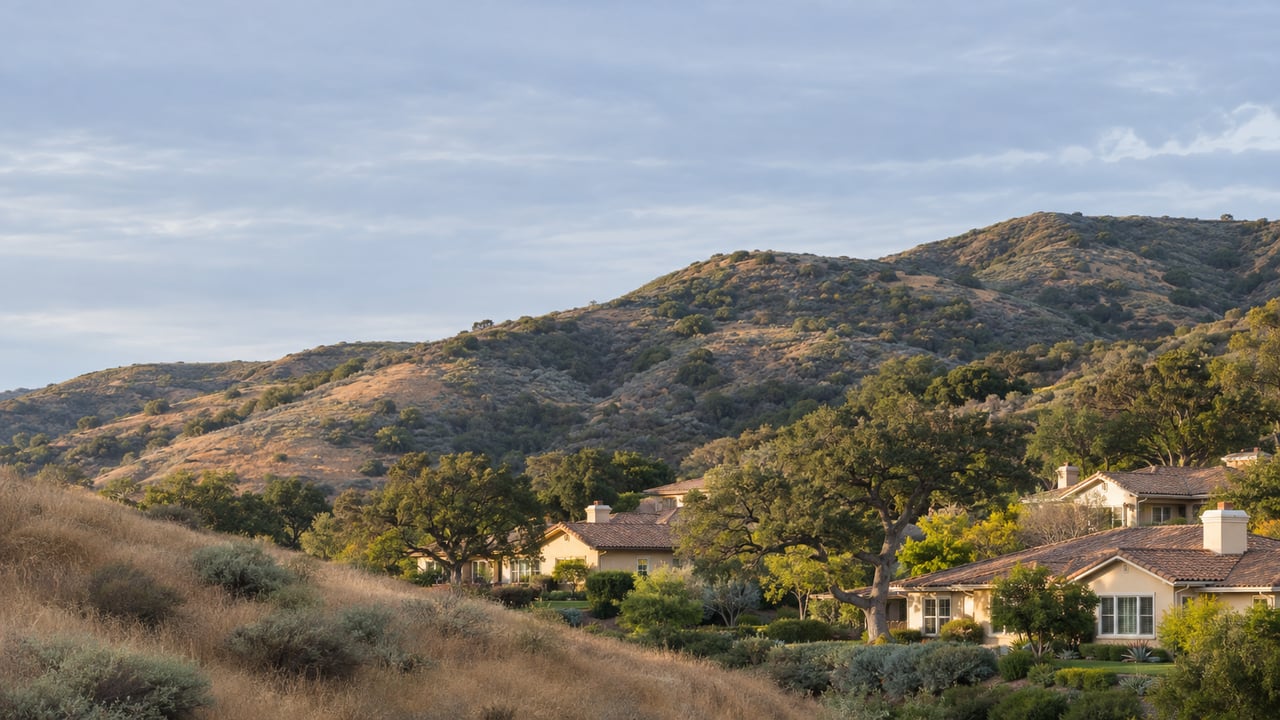
Santa Clarita realities that shape horse properties
Hot, dry summers and cooler, wetter winters define the Santa Clarita Valley. This semi‑arid pattern affects everything from footing and dust control to shade and water planning. For climate context, review local normals from the National Centers for Environmental Information at NOAA.
Wildfire planning is essential. Many SCV and Agua Dulce parcels sit in high or very high hazard zones, so defensible space and ignition‑resistant materials are more than best practices. They can influence permits, insurance, and peace of mind. See Cal Fire’s guidance on defensible space.
Water service varies by location. Some properties draw from municipal supply while others rely on private wells, especially in unincorporated areas. For service boundaries and drought rules, check the Santa Clarita Valley Water Agency.
Zoning and permits differ between the City of Santa Clarita and unincorporated Los Angeles County. Confirm animal‑keeping allowances, setbacks, and accessory structure rules with the LA County Department of Regional Planning or the City of Santa Clarita Planning Division. If trail access is a priority, verify nearby systems and easements with the City’s parks and trails resources on the City of Santa Clarita site.
Barn and stable priorities
Stall size and layout
Look for stall dimensions that fit your horses and your program. Many adult horses do well in 10×10 to 12×12 stalls. Larger breeds or breeding programs may need more space. Aisles should allow safe movement and equipment use, commonly in the 8 to 12‑foot range depending on the layout.
Ventilation and materials
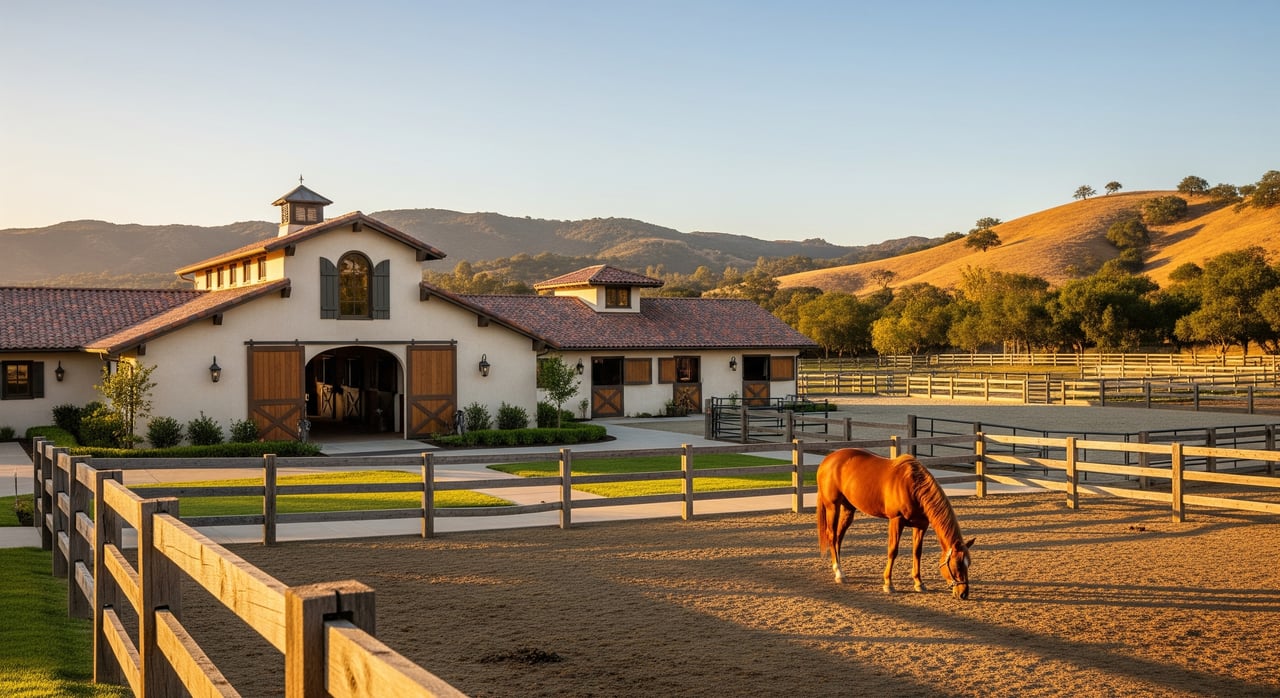
Consistent airflow reduces dust and respiratory issues. Check for ridge vents, cupolas, windows, and breathable design. In fire‑prone zones, non‑combustible or fire‑resistant materials for roofs and siding add resilience. Inspect for proper flashing and tight building envelopes that shed rain and protect from embers.
Storage and work areas
A functional tack room, a ventilated feed space, and a dedicated wash rack improve daily routines. Keep hay storage separate from stalls when possible and ensure it is elevated, dry, and ventilated. Confirm adequate power for lights, pumps, and any heated wash fixtures you plan to use.
Records and safety
Ask for building permits, construction plans, and electrical details. Confirm smoke detectors and fire extinguishers are present and accessible. Ensure a clear path for emergency egress and service vehicles, and confirm gate codes or remote controllers function reliably.
Arena essentials for SCV riding
Size and purpose
Match the arena to your discipline and the parcel size. Dressage practice often uses 20×40 meters, while a standard dressage arena is 20×60 meters. Jumping or multi‑use riding usually benefits from a larger footprint for safe approach and landing.
Footing and base
Great footing starts with a well‑compacted base and proper grading. Common surfaces include washed sand or sand mixed with fibers. You want cushion, traction, and even depth. Ask when the footing was last refreshed or reworked and what equipment is used to drag and level it.
Dust and drainage
Dust control is a year‑round priority in our dry summers. Look for irrigation options and a drainage plan that moves water off the surface during winter storms. Perimeter drains, crowned surfaces, and a compacted subbase help prevent erosion and puddles.
Lighting and orientation
If you ride at dusk or later, arena lighting extends your usable hours. Orientation that considers prevailing winds and sun angles can reduce glare and help the surface dry evenly after rain or watering.
Turnout and paddocks that work here
Rotation and cross‑fencing
In a semi‑arid setting, rotational use protects turnout areas from overgrazing and bare patches. Multiple paddocks allow rest periods and better parasite control. Cross‑fencing also supports flexible turnout plans for different horses or groups.
Shade, shelter, and water
Adequate shade is essential in hot months. Place shelters to allow airflow, minimize mud, and protect high‑traffic areas. Automatic waterers and frost‑free hydrants cut labor and encourage steady intake.
Sacrifice areas
A small, well‑drained holding area saves the rest of your turnout during wet weather or heavy feeding times. These areas reduce erosion and keep the bulk of your land healthier through the year.
Fencing and gates that last
Choose fence types with visibility and durability. Three‑rail board, vinyl rail, or pipe with sight lines are common around turnout. Avoid fence types that can entangle horses. Typical heights for adult horses are around 4.5 to 5 feet. Gates should be wide enough for trailers and equipment, and hardware should close smoothly. In fire‑exposed locations, consider metal gates and non‑combustible posts or components where feasible.
Trailer access and parking
Check gate widths, driveway grades, and turning radii before you fall in love with a property. A 14 to 16‑foot gate often works for two‑lane entry and trailer passage. A level hardstand near the barn or arena makes loading safer and keeps you out of the mud during winter storms.
Reliable water systems
Confirm the water source and capacity. If the property is on municipal service, ask for average bills and any drought restrictions. If it has a well, request pump details, yield tests, and recent water quality reports. Plan for distribution, including hydrants, auto waterers, and lines to key areas. For district rules and conservation programs, visit the Santa Clarita Valley Water Agency.
Manure and environmental management
A tidy manure plan affects odor, flies, and runoff. Covered storage or a well‑managed compost area away from waterways is best practice. Grading that directs water away from piles helps reduce nutrient runoff in winter and dust in summer. For practical, research‑based guidance on pasture and manure management, explore resources from UC Agriculture and Natural Resources.
Seller upgrades that pay off
If you are preparing to list, focus on safety, function, and documentation. These are the upgrades buyers in Santa Clarita value most.
- Clear defensible space, trim vegetation, and remove flammable debris around barns and fences. Cal Fire’s defensible space guidelines are a useful reference.
- Repair broken rails, tighten sagging lines, and service gate hardware. Fresh paint and clean aisles lift first impressions.
- Service waterers and hydrants, and label shutoff valves. Gather well tests or municipal bill history.
- Groom the arena, level low spots, and remove weeds. A crisp surface photographs well and shows care.
- Organize tack rooms and elevate hay on pallets or a loft with ventilation. Remove clutter to highlight storage capacity.
- Tidy manure areas and document removal schedules or vendor contracts.
- Assemble a simple property packet: permits for barns and arenas, fencing documentation if available, water and electrical info, and any records for arena work or barn upgrades. Include any trail or access notes relevant to your parcel.
Buyer inspection checklist
Use this quick list when you tour properties and request seller documents.
- Barn and stalls: sizes, ventilation, flooring, electrical safety, hay storage separation, and fire equipment.
- Arena: dimensions, footing type, base and drainage plan, lighting, fencing, and last maintenance date.
- Turnout: acreage, cross‑fencing, shelter quality, waterers, and pasture condition.
- Water and utilities: municipal vs well, well yield and water quality tests, hydrant placement, and electrical service to barns and lights.
- Access: gate width, driveway slope and surface, trailer turnaround and parking, and emergency vehicle access.
- Permits: building permits for barns and arenas, any notices of violation, and easements that affect trail use or improvements.
- Environmental: manure storage and removal, erosion points, and drainage patterns after storms.
- Fire readiness: defensible space, ember‑resistant materials where present, and visible address and gate signage.
How features influence value in SCV
In our micro‑market, buyers often prioritize safety, reliability, and compliance over luxury finishes. Usable turnout, dependable water, and practical trailer access can command a premium. Trail connectivity and proximity to local equestrian services add day‑to‑day convenience. Firewise steps and documentation of compliance can also improve buyer confidence and support insurability, especially in higher‑hazard zones noted by Cal Fire.
When you are ready to buy or sell an equestrian property in Santa Clarita or Agua Dulce, specialized guidance helps you weigh costs and value correctly. If you would like a walk‑through of your property’s equestrian features or a buyer’s tour focused on barns, arenas, and acreage, reach out to Elizabeth Fenley-Dixon for local, principal‑led support.
FAQs
What barn stall sizes work for most adult horses in Santa Clarita?
- Many buyers look for 10×10 to 12×12 stalls for general use, with larger sizes for big breeds or breeding programs.
How do wildfire rules affect horse property design in SCV?
- Properties in higher hazard zones benefit from defensible space, ignition‑resistant materials, and clear access, following Cal Fire guidance.
What arena footing holds up in our dry summers?
- Sand or sand‑fiber mixes over a compacted base with proper grading work well when combined with irrigation for dust control and a drainage plan for winter storms.
What zoning steps should I take before adding a barn or arena?
- Confirm animal‑keeping allowances, setbacks, and permits with the LA County Department of Regional Planning or the City of Santa Clarita Planning Division, depending on your parcel location.
How can I evaluate water reliability on an Agua Dulce property with a well?
- Request recent yield tests, pump specs, and water quality reports, and review distribution to hydrants and waterers; check service boundaries or conservation rules with SCV Water.
What fencing types are considered horse‑friendly for turnout?
- Rail styles with visibility, such as board, vinyl rail, or pipe, are common; avoid options that can catch or entangle horses, and aim for 4.5 to 5 feet of height.
Where can I find research‑based guidance on pasture and manure management?
- UC Agriculture and Natural Resources offers practical resources on grazing, composting, and runoff control; explore their publications at UC ANR.