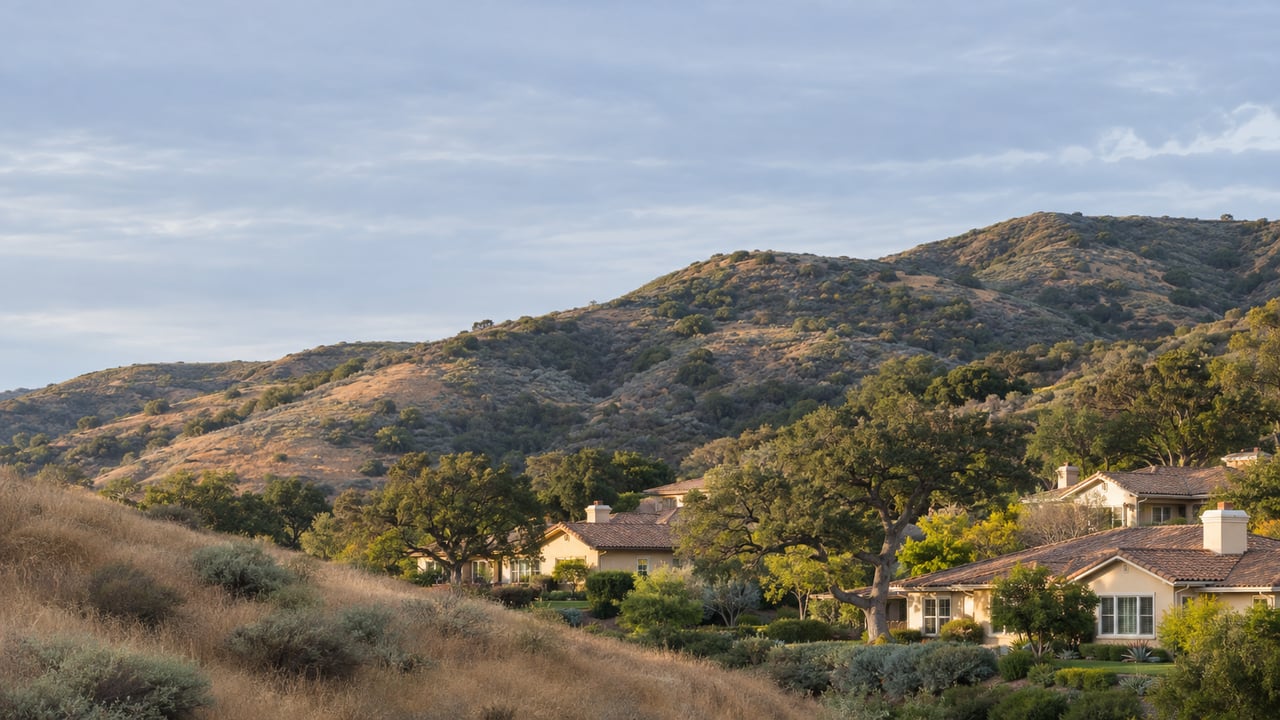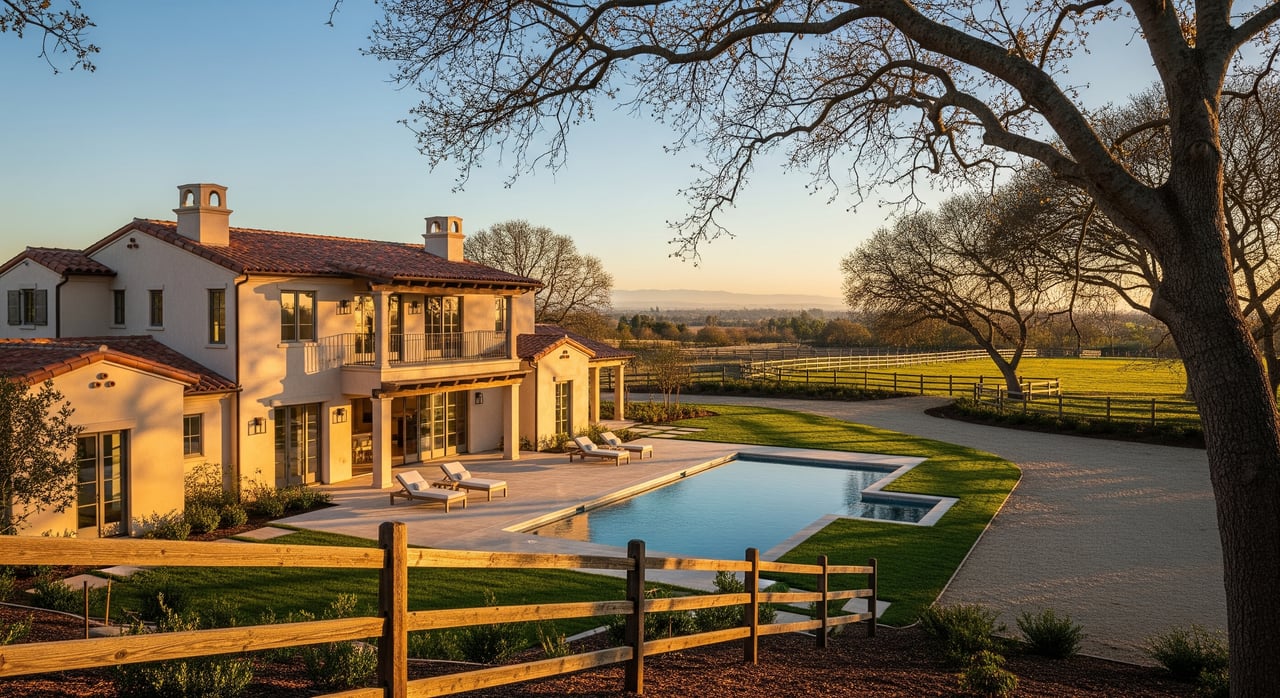
Dreaming of more land, room for horses, and a little extra privacy in Santa Clarita? When you shop for acreage or an equestrian property here, you’ll likely cross into jumbo loan territory. That can feel complex, especially if you’re used to standard suburban financing. In this guide, you’ll learn what jumbo loans are, how lenders evaluate acreage, what documents to prepare, and how to set realistic timelines and budgets. Let’s dive in.
What a jumbo loan means in LA County
A jumbo loan is any mortgage that exceeds the conforming loan limit for the county where the property is located. Los Angeles County has its own limit that can change each year, so you should verify the current threshold before labeling your loan as jumbo. Acreage and equestrian properties often require jumbos because land value plus specialized improvements can push the purchase price above that limit.
Many lenders offer jumbo financing, including national mortgage banks, regional banks, credit unions, and private or portfolio lenders. Programs and underwriting standards vary by lender, especially for properties with barns, arenas, multiple outbuildings, wells, and septic systems.
How lenders underwrite acreage jumbos
Credit, DTI, reserves, and down payment
Lenders typically expect strong borrower profiles for jumbo loans.
- Credit score: Many programs look for FICO scores of 700 or higher for the best pricing; some accept mid‑600s with stricter terms.
- Debt‑to‑income: Many lenders prefer DTI below about 43 to 45 percent.
- Down payment: Common down payments range from 20 to 30 percent. Larger or higher‑risk loans can require 30 to 40 percent.
- Cash reserves: You may need 6 to 12 months of mortgage payments in reserves, sometimes more for investment properties.
Income documentation and occupancy
Full documentation is standard. Expect to provide W‑2s, tax returns, recent pay stubs, and verification of employment. Programs that use bank statements or asset‑depletion exist but often come with higher rates and bigger down payments. Pricing also depends on whether the home will be your primary residence, a second home, or an investment.
Property eligibility and acreage limits
Lenders assess parcel size, zoning, usable acreage, and the status of outbuildings. Some limit maximum acreage, set land‑to‑value caps, or will not finance raw land. Non‑permitted structures can reduce loanable value or trigger conditions before approval.
Documents you will need
Standard borrower documents
- Government ID
- Two or more years of federal tax returns (personal and business if applicable)
- W‑2s, 1099s, and/or profit and loss statements
- Recent pay stubs and employment verification
- Bank and investment account statements, typically 2 to 3 months
- Asset statements for down payment and reserves; gift letters if relevant
- Explanations for large deposits
Property documents for acreage and equestrian homes
- Purchase contract and any contingency language
- Recent property tax bill and parcel map (APN)
- Evidence of utilities: well test reports, septic inspection or perc report, or municipal connections
- Insurance quotes for hazard, wildfire, and flood coverage where applicable
- HOA or CC&R documents if in an equestrian or gated community
- If the property produces income, provide profit and loss statements and related tax schedules
- Permitting history for major outbuildings such as barns, arenas, or ADUs
Appraisal realities for equestrian properties
Why valuation can take longer
Acreage and equestrian properties are unique, and true comparable sales can be limited. Appraisers may need a broader search radius across Santa Clarita communities such as Valencia, Saugus, Castaic, and Agua Dulce to find relevant comps. Expect the sales comparison approach to lead, with cost or income approaches used for specialized improvements.
Permits and outbuildings
Permitted structures that meet code usually contribute value. Non‑permitted or poor‑condition outbuildings may add little to no loanable value and can even delay approval. Utility connections, safety, drainage, and structural integrity all influence how much value a lender recognizes.
Help your appraisal succeed
- Gather permits, maintenance records, and repair invoices for barns, arenas, fencing, and ADUs.
- Commission septic and well inspections early if the property is not on municipal services.
- Provide a clean list of improvements and any recent, similar equestrian sales your agent has identified.
Rates, programs, and what drives pricing
What moves jumbo rates
Jumbo pricing depends on loan amount, down payment, credit score, occupancy, documentation type, and your reserves. Property characteristics matter too. Wildfire exposure, private road access, wells, septic systems, and other environmental risks can affect pricing or trigger conditions. Market forces, including investor demand and the Treasury yield curve, influence whether jumbo rates sit above or near conforming rates at any given time.
Common jumbo program types
- Fixed‑rate jumbos (15‑, 20‑, or 30‑year) are the most common for primary residences.
- Jumbo ARMs offer lower initial rates with future adjustments and can fit short or transitional horizons.
- Portfolio lender jumbos from local banks or credit unions may be more flexible on unique properties and permitting issues.
- Asset‑based or bank‑statement programs suit self‑employed borrowers but typically need larger down payments and carry higher rates.
- Interest‑only options exist for select profiles and require strong assets and reserves.
Mortgage insurance
Traditional mortgage insurance usually is not available for jumbos. Instead, lenders manage risk through lower loan‑to‑value ratios and reserve requirements.
Timeline and what to expect
Jumbo purchases on acreage often take longer than standard tract homes because of specialized appraisals and property reports.
- Pre‑approval: 1 to 3 business days if your documents are complete and the lender has jumbo experience.
- Appraisal: 1 to 3 weeks, sometimes longer when specialist appraisers or wider comparable searches are needed.
- Underwriting: 1 to 3 weeks after the appraisal, with extra time if permits, well or septic reports, or environmental items require review.
- Closing: Plan for 30 to 60 days overall. Add 2 to 4 weeks if your property needs specialist reports or permit clearances.
Common delays and how to avoid them
- Limited availability of appraisers with rural or equestrian expertise. Order early and allow scheduling flexibility.
- Non‑permitted structures or deferred maintenance. Address permit status and safety issues up front.
- Well or septic deficiencies. Test early and include contingency language in the contract.
- Insurance or wildfire mitigation requirements. Start quotes early and budget for defensible space or hardening if needed.
Budgeting beyond the down payment
Buying acreage means planning for both upfront and ongoing costs.
- Higher down payment, often 20 to 30 percent or more
- Jumbo loan pricing that may carry higher interest depending on your profile
- Larger reserve requirements, commonly 6 to 12 months of payments
- Appraisal fees that are higher for complex properties
- Septic, well yield and water quality tests, structural reviews of barns and outbuildings, and specialty inspections
- Survey or ALTA title survey if required, often helpful to confirm boundaries and easements
- Title insurance, escrow, and closing costs
- Hazard and wildfire insurance premiums that may be higher in foothill areas, plus potential mitigation costs
- Possible costs to retrofit or permit outbuildings if required by the lender
- Property taxes: Los Angeles County’s base rate is about 1 percent of assessed value, plus local assessments and any Mello‑Roos that may apply
Santa Clarita factors to check early
- Wildfire risk: Many foothill and canyon areas carry elevated risk. Lenders and insurers may require specific coverage, mitigation steps, or building standards.
- Water and septic: Many larger parcels use wells and septic systems. Expect required well yield and quality tests and septic inspections.
- Zoning and use: Confirm whether equestrian or agricultural uses are permitted and whether any commercial activities are allowed.
- Easements and access: Private roads and access easements are common. Lenders typically want clear legal access and maintenance agreements.
- Comparable sales: Expect a broader radius when selecting comps, including areas like Agua Dulce, Saugus, Valencia, and Castaic.
Practical steps to get ready
- Get fully pre‑approved with complete documentation so your offer stands out and underwriting moves faster.
- Review zoning, permits, and outbuilding status before you write an offer or list your property.
- Order septic and well inspections early for properties off municipal services.
- Build extra time into your purchase timeline for appraisal and underwriting on unique properties.
- Request quotes from multiple lenders, including portfolio lenders that understand acreage and equestrian homes, and ask for their policies in writing.
- Keep a detailed file of improvements, permits, and maintenance records to support your appraisal and underwriting.
When you understand how jumbo loans work for Santa Clarita acreage, you move through the process with confidence and clarity. With the right preparation, lender selection, and documentation, you can position your offer to win and close on time, even with barns, arenas, wells, and septic systems in the mix. If you are considering buying or selling an equestrian or acreage property in Santa Clarita, work with a local specialist who treats land and lifestyle properties with the care they deserve. Connect with Elizabeth Fenley-Dixon to talk strategy and next steps.
FAQs
What is a jumbo loan for Los Angeles County properties?
- A jumbo loan is any mortgage amount above the county’s conforming loan limit. The limit is set annually, so verify the current threshold before applying.
Why do Santa Clarita acreage homes often require jumbos?
- Land value plus specialized improvements like barns and arenas often push prices above conforming limits, making jumbo financing the right fit.
How much down payment do I need for a jumbo on acreage?
- Many lenders require 20 to 30 percent down, with stronger files sometimes getting more flexibility and larger loans requiring more.
Will a barn or arena increase the appraised value?
- Permitted, well‑maintained outbuildings usually add contributory value; non‑permitted or poor‑condition structures may add little or cause delays.
Do lenders require septic and well inspections in Santa Clarita?
- Yes. If the property is not on municipal services, expect well yield and water quality tests and a septic inspection.
How long does a jumbo acreage purchase take to close?
- Plan for 30 to 60 days, plus 2 to 4 extra weeks if specialist appraisals, inspections, or permit reviews are needed.
Are jumbo rates always higher than conforming rates?
- Not always. The spread changes with market conditions and your loan profile, including LTV, credit score, reserves, and documentation type.