If you are selling an equestrian property in Santa Clarita, a standard home marketing plan is not enough. Buyers looking for horse property are not just comparing square footage or bedroom count. They are looking for a lifestyle, a setup that works for both people and horses, and a location that supports how they want to live. This is where a more strategic approach matters. In this guide, you will see what makes Santa Clarita equestrian properties different, how to market them effectively, and why the right presentation can help you reach serious buyers. Let’s dive in.
Why Santa Clarita Equestrian Homes Stand Out
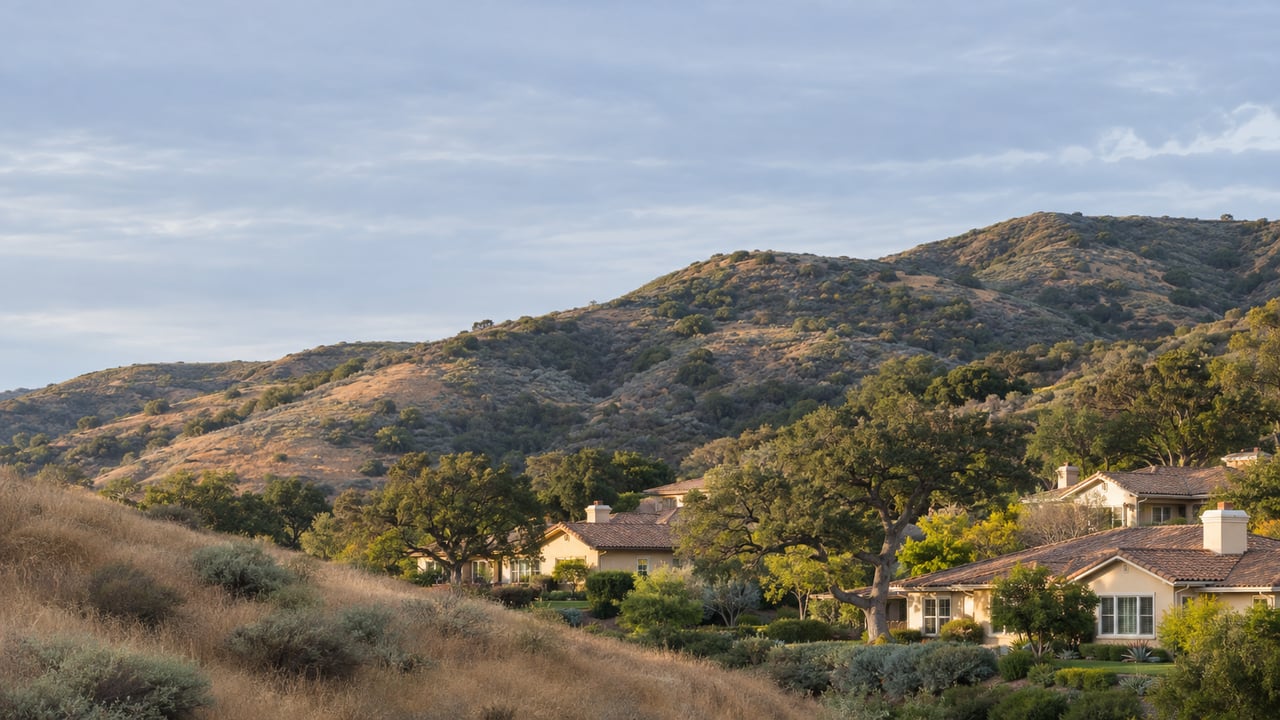
Santa Clarita has a well-established equestrian identity that goes beyond having larger lots or rural streets. The city notes that the Open Space Preservation District was created to protect natural land, wildlife corridors, and greenbelt areas. The same city resources explain that the Sand Canyon Special Standards District was designed to maintain and enhance the area’s rural and equestrian character.
That local identity matters when you market a property. A horse property in Santa Clarita should be positioned as a lifestyle asset tied to open space, riding access, privacy, and usable land. Buyers are often searching for more than a house. They want a property that supports everyday equestrian use and a setting that feels connected to the land.
Some areas reinforce this even more clearly. For example, Quigley Canyon is described as a Newhall neighborhood known for equestrian ranch-style homes, dirt roads, and trails. That kind of place-based context can shape how buyers understand a listing before they ever visit in person.
Start With the Lifestyle Story
The most effective marketing strategy begins with the right story. Instead of presenting the home as a generic residence on acreage, you want to show how the property lives day to day. That means highlighting riding routines, trailer access, turnout space, barn setup, and the relationship between the home and the land.
This is especially important in Santa Clarita because the local trail network is part of the appeal. According to the city’s trail system overview, Santa Clarita has more than 100 miles of trails, including routes designed with equestrian use in mind. The Sand Canyon Trail includes bridges planned for horse riders, and trailheads such as Iron Horse offer horse-trailer parking and an equestrian staging area.
When buyers see that context, they can better understand why a property is valuable. It is not just about lot size. It is about access, function, and the experience of living in an equestrian-oriented part of Santa Clarita.
Build a Media Package That Shows Function
Horse property buyers need more than attractive photos of the kitchen and living room. They need to see how the property actually works. That means your media package should explain flow, usability, and scale in a way that a standard suburban listing usually does not.
This is also where seller preparation can make a major difference. The National Association of Realtors found in its 2025 Profile of Home Staging that buyers’ agents rate photos, videos, and virtual tours as much or more important for listings. The report also found that 83% said staging helps buyers visualize a property as a future home.
For Santa Clarita equestrian properties, staging should extend beyond the house itself. Exterior areas matter just as much. Buyers want to understand whether the property feels organized, usable, and move-in ready for their needs.
What to Show in Listing Media
A strong equestrian media package should show both residential appeal and horse-property function. That often includes:
- Aerial views to show lot layout and surrounding context
- Driveway access and trailer circulation
- Gates, fencing, and paddock layout
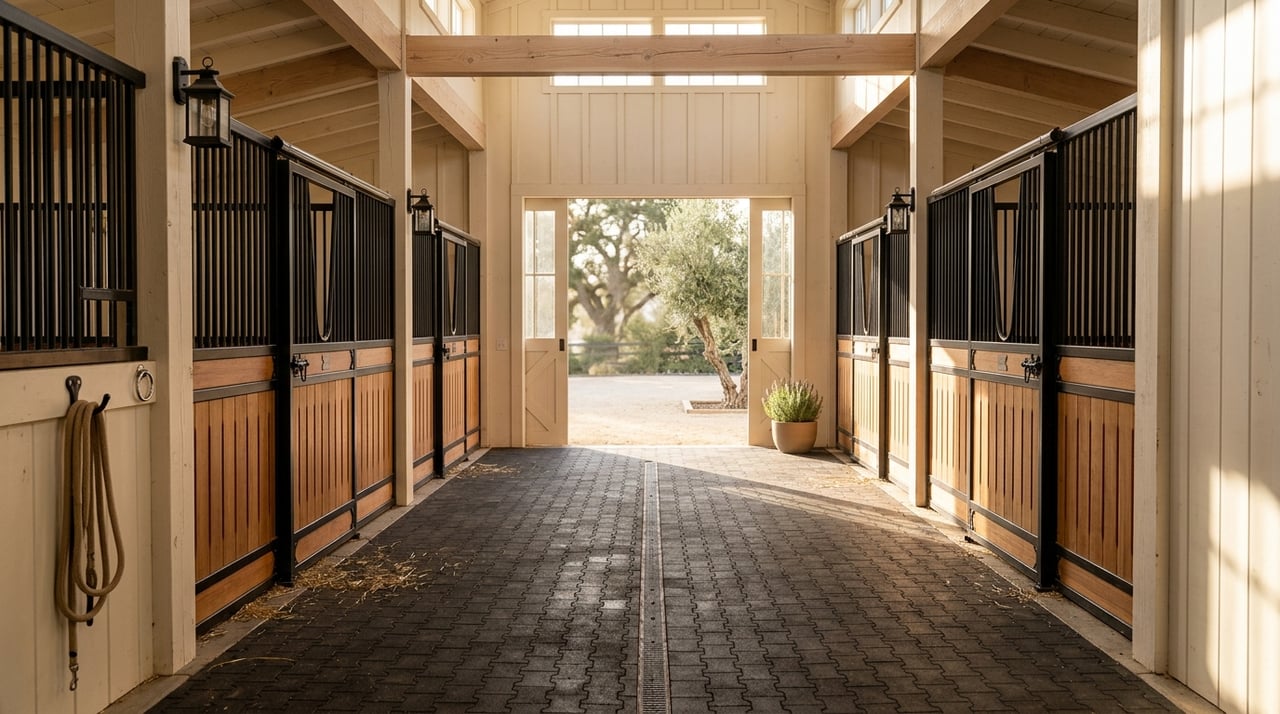
- Barns, stalls, tack or feed storage, and wash areas
- Turnout areas and arena setup
- Relationship to trails, open space, or riding routes
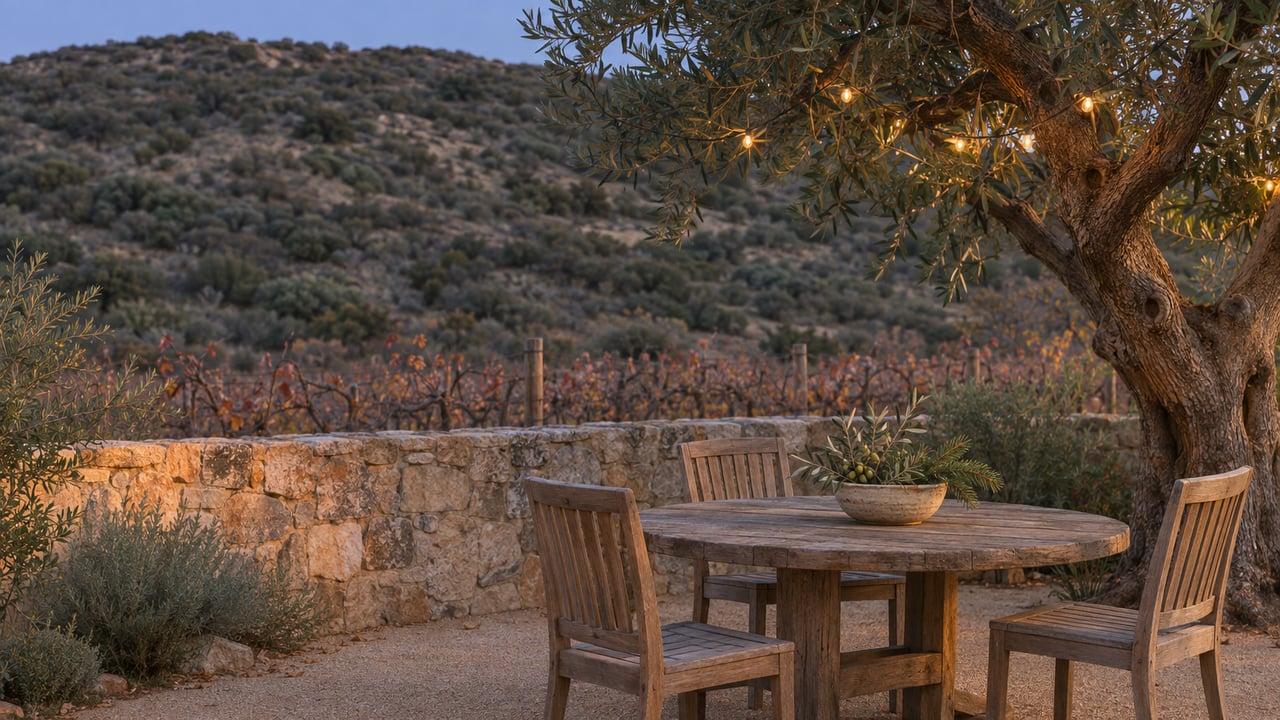
- Outdoor living spaces that support the lifestyle side of the property
This kind of visual storytelling helps buyers answer practical questions early. It can also help them decide whether the property is worth a private showing.
Why Video and Mobile Presentation Matter
Most buyers begin their search online, and many are reviewing listings on a phone or tablet. That means your marketing needs to load quickly, look polished, and explain the property clearly in a digital-first format.
NAR’s 2025 Home Buyers and Sellers Generational Trends report found that 43% of buyers said their first step was looking online for properties. Among internet users, 83% said photos were the most useful website feature, 79% valued detailed property information, 57% valued floor plans, and 41% found virtual tours useful.
The same report found that 69% of buyers used a mobile or tablet device and 37% used an online video site as an information source. For equestrian listings, that supports a video-first strategy with clean visuals, short spotlight clips, and mobile-friendly listing pages.
What Video Should Accomplish
A property video should do more than look cinematic. It should help buyers understand scale, access, and daily use. For example, a well-planned video can show how you enter the property, where the barn sits in relation to the house, how the arena or turnout space is positioned, and how the setting connects to the surrounding landscape.
That level of clarity can be especially helpful for out-of-area buyers. If someone is relocating or shopping from a distance, video becomes one of the fastest ways to build confidence and interest.
Use Maps to Add Credibility
For Santa Clarita equestrian properties, maps are not just a visual bonus. They can help buyers understand why a location matters. When used carefully, they provide a stronger sense of orientation and help show how a property fits into the area’s trail and open-space network.
The city’s GIS map gallery includes resources like the Master Plan of Trails and Zoning Map. These can support property-specific map graphics that show trail proximity, surrounding land patterns, or general access routes.
That said, accuracy is essential. The city also notes on its trails information page that trail conditions can change and some trails may close during severe rain events. Its maps are informational rather than legal documents. In marketing, that means avoiding overstatements and presenting trail access carefully and factually.
Expand Beyond Basic MLS Exposure
The MLS is still a key part of the distribution plan. According to NAR’s consumer guide on home selling, a REALTOR should create a marketing plan and use the MLS to reach the largest possible pool of serious buyers. The guide also notes that listing photos and video are shared through the MLS to brokerage websites and portals.
For equestrian property, however, broad exposure alone is not enough. Specialized buyers often need more context than a standard listing provides. That is why the strongest strategy combines MLS visibility with polished website presentation, social media, video distribution, and niche ranch or luxury placement when appropriate.
This layered approach fits the way buyers shop today. It also aligns with the marketing-first model used by boutique firms that specialize in lifestyle and land properties, where the goal is not just reach, but reaching the right buyer with the right story.
Protect Privacy During Marketing
Many equestrian sellers value privacy, and that should be part of the strategy from the start. A thoughtful campaign can highlight the property’s strengths while also respecting boundaries around personal items, routines, and access.
NAR advises sellers to secure personal belongings and discourage unapproved photography during showings in its consumer guidance. That is especially relevant for properties with barns, equipment areas, gated entries, or specialized infrastructure. The goal is to create strong buyer interest without making the seller feel exposed.
What a Strong Strategy Looks Like
If you want to market a Santa Clarita equestrian property well, your plan should do three things at once. It should present the lifestyle, explain the functionality, and distribute the listing broadly enough to reach serious buyers.
In practical terms, that usually means:
- Positioning the property as an equestrian lifestyle offering, not just a home on land
- Using professional photography, video, and aerial imagery to show usability
- Including clear, detailed property information for online buyers
- Supporting the listing with map-based context when relevant
- Sharing the property across the MLS, brokerage channels, social media, and niche distribution paths
- Keeping all claims accurate, especially around trails, land use, and access
That combination helps buyers understand what makes the property special before they ever schedule a showing. It also helps sellers compete more effectively in a market where presentation quality can influence attention and engagement.
Selling a horse property in Santa Clarita takes more than a sign in the yard and a few wide-angle photos. It takes a marketing strategy built around how the property actually lives, how buyers search, and what makes this area distinct. If you want expert guidance on presenting your ranch, acreage, or equestrian home with a hands-on, marketing-first approach, connect with Elizabeth Fenley-Dixon to schedule your free property consultation.
FAQs
What makes marketing for Santa Clarita equestrian properties different?
- Santa Clarita equestrian properties should be marketed as lifestyle assets tied to riding access, open space, privacy, and usable horse facilities, not just as larger residential lots.
Why are photos and video important for horse property listings?
- NAR data shows buyers rely heavily on photos, detailed property information, and virtual content, which helps them understand a property before deciding to tour it.
What should sellers include in a Santa Clarita equestrian listing?
- A strong listing should show the home, barn areas, fencing, gates, turnout, trailer access, outdoor spaces, and the property’s relationship to surrounding trails or open space when relevant.
Can maps help market a horse property in Santa Clarita?
- Yes, map graphics can help show trail proximity and location context, but they should be used carefully because city maps are informational and trail conditions can change.
How should a Santa Clarita equestrian property be distributed online?
- The best approach combines MLS exposure with brokerage websites, social media, video content, and niche ranch or luxury distribution to reach both local and out-of-area buyers.