Trying to choose between a ranch property and a tract home in Santa Clarita? You are not alone. Many buyers love the idea of more land and privacy, but they also want a home that fits their daily routine, budget, and long-term plans. The good news is that Santa Clarita offers both options, often within the same valley, and understanding the trade-offs can help you buy with more confidence. Let’s dive in.
How Santa Clarita Shapes Your Choice
Santa Clarita is not a one-style housing market. The city planning area includes the four core city communities plus county communities such as Stevenson Ranch, Castaic, Val Verde, Agua Dulce, and the future Newhall Ranch. City information also notes that the area has a higher share of owner-occupied homes than Los Angeles County overall, and much of its housing stock is newer.
That mix helps explain why you can find both planned suburban neighborhoods and smaller pockets of rural, acreage-oriented living. In practical terms, your decision is not just about the house itself. It is also about the setting, land use, utility setup, and the kind of day-to-day lifestyle you want.
Where Tract Homes Are Common
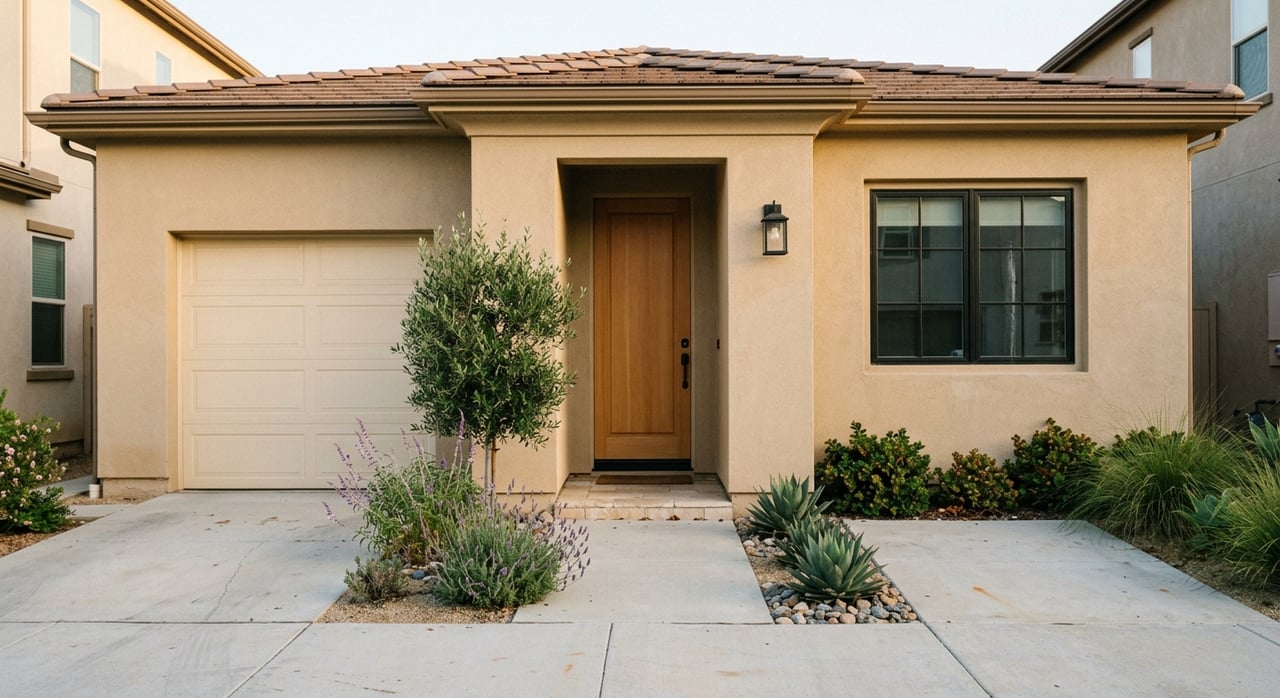
In Santa Clarita, tract homes are often tied to planned communities. The city describes Valencia as a planned community, and its community character guidelines note that the southern section includes relatively homogeneous suburban tract housing on medium-sized landscaped lots.
The city also highlights newer communities such as Skyline and Vista Canyon as modern developments with parks, recreation space, and energy- and water-efficient features. If you want a more predictable neighborhood layout, nearby amenities, and a more standardized lot size, these kinds of communities often line up with that goal.
What tract-home living often feels like
A tract home typically offers a more consistent neighborhood pattern. Streets, lot sizes, and home placement tend to feel more uniform, which can make the buying process a little more straightforward.
For many buyers, that means less guesswork. You may find it easier to compare homes, estimate upkeep, and understand how the neighborhood functions from one block to the next.
Where Ranch Properties Are Common
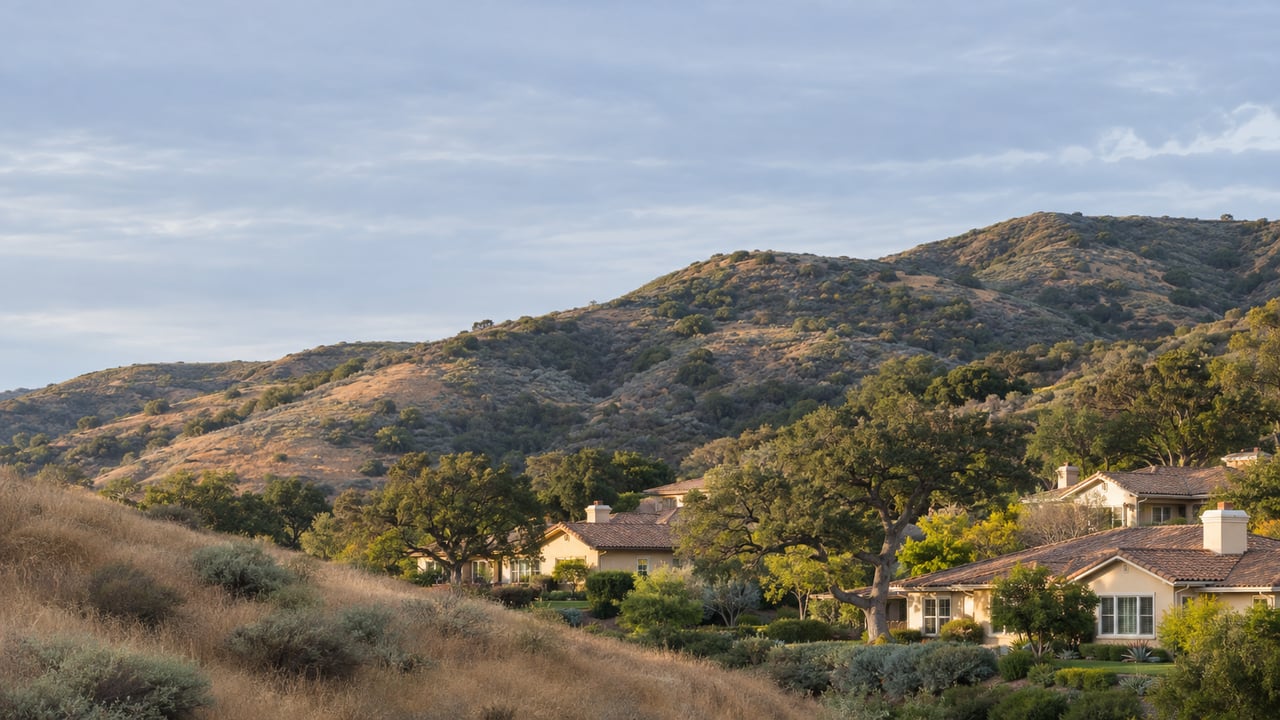
Ranch and acreage properties are more closely tied to Santa Clarita’s low-density, rural, and equestrian areas. City design guidelines describe Saugus as rural and ranch-like in character, Canyon Country north of Sierra Highway as rural and very low density, Sand Canyon as predominantly low-density single-family and equestrian in use, and Placerita Canyon as rural with equestrian-oriented residences and scattered ranches.
In nearby county territory, Agua Dulce stands out for buyers who want a more rural pattern. Los Angeles County’s community standards for Agua Dulce are designed to preserve dispersed, low-density development and protect equestrian and agricultural character while minimizing urban infrastructure.
What ranch living often feels like
A ranch property usually gives you more land, more separation from neighbors, and more flexibility in how you use the property. That can be a major draw if you value outdoor living, equestrian potential, room for outbuildings, or simply a quieter setting.
At the same time, ranch ownership usually comes with more responsibility. More land often means more systems, more maintenance, and more details to evaluate before you close.
The Biggest Trade-Offs to Consider
Choosing between a ranch property and a tract home often comes down to how you want to live. Both can be excellent options, but they solve different problems.
Space and privacy
If privacy and elbow room sit high on your list, a ranch property often has the edge. Santa Clarita’s rural areas are defined by lower density and larger lots, which can create a greater sense of separation and control over your surroundings.
Tract homes, by comparison, usually offer more predictable lot sizes and neighborhood spacing. You may give up some privacy, but you gain a setting that feels more standardized and easier to manage.
Upkeep and maintenance
This is one of the most important lifestyle questions to answer honestly. A tract home usually involves less land to manage, which can mean less time spent on fencing, irrigation, tree care, gates, and long driveways.
With ranch or acreage property, the maintenance list can expand quickly. You may be caring for outbuildings, corrals, barns, sheds, or larger landscaped areas, and some rural properties may also rely on septic systems, private wells, or small water systems regulated by Los Angeles County Environmental Health.
Convenience and commuting
For buyers who want easier day-to-day access to amenities, tract homes often make sense. Santa Clarita offers Santa Clarita Transit, three Metrolink stations, about 80 miles of trails, 20 miles of paseos, and trail connections that reach parks, shopping, and employment centers.
Ranch buyers may be more focused on outdoor space and a rural lifestyle than on being close to a newer planned development. That trade can be well worth it, but it is still a trade.
Lifestyle fit
A tract home may suit you best if you want a more turnkey suburban rhythm. You may prefer planned streets, nearby recreation, and a home that supports a busy schedule with fewer land-management demands.
A ranch property may fit better if you are intentionally choosing space, privacy, equestrian use, or a more outdoor-oriented routine. In Santa Clarita, the trail system itself reflects that difference, with horse-trailer parking, hitching-post trailheads, and unpaved multi-use trails in rural areas.
What to Check Before You Buy a Ranch Property
Ranch and acreage homes can be wonderful lifestyle properties, but they require more due diligence. Before you fall in love with the views, make sure you understand the practical side of ownership.
Jurisdiction and zoning
First, confirm whether the property is inside the City of Santa Clarita or in unincorporated Los Angeles County. The city’s planning FAQ advises buyers to verify jurisdiction and zoning through the mapping system because permitted uses and development standards can differ.
This matters even more for rural and acreage properties. A home in city limits may be governed differently from a similar-looking property in Agua Dulce or another county area.
Water and wastewater systems
Ask whether the property uses public water and sewer or relies on a private well, small water system, or onsite wastewater treatment system. This is one of the most practical differences between a typical tract-home purchase and a rural property purchase.
If the property has a well or septic system, you should understand inspection needs, ongoing maintenance, and the local regulations that apply. These systems are common in rural locations, but they are not as simple as turning on city service and forgetting about it.
Wildfire exposure
Wildfire risk deserves close attention, especially in hillside, low-density, and rural settings. Los Angeles County Fire states that in Fire Hazard Severity Zones, certain projects such as new construction, major remodels, some outbuildings over 120 square feet, parcel splits, and subdivisions require fuel-modification plan approval before permit or land-division approval.
The City of Santa Clarita’s hazard-mitigation planning also identifies wildfire as one of the community’s recurring disaster risks. If you are considering acreage, ask early whether the parcel is in a Fire Hazard Severity Zone and how that may affect future improvements.
Financing Can Be Different
Financing is another area where tract homes and ranch properties often part ways. A tract home usually fits more standard appraisal and lending patterns, which can make the process smoother for a broader range of buyers.
With ranch property, the details matter. Fannie Mae states that eligible mortgages must secure residential property that is readily accessible by roads meeting local standards, served by utilities that meet community standards, and suitable for year-round use.
It also states that it does not purchase or securitize mortgages on agricultural properties such as farms or ranches. That means a large residential parcel may still qualify for standard financing, but a property that drifts into true agricultural use can become more complicated.
Why this matters when you shop
The more unusual the land, access, outbuildings, or utility setup, the more important it becomes to work with professionals who understand acreage property. Comparable sales may be less straightforward, and the buyer pool may be narrower than it is for a standard tract home.
That does not make ranch property a bad buy. It simply means the home should be evaluated as a lifestyle and land asset, not just a suburban house on a bigger lot.
A Simple Way to Decide
If you are torn between the two, start with your real daily priorities instead of the dream image alone. Ask yourself whether you want convenience or land, predictability or flexibility, easier upkeep or more usable outdoor space.
Here are a few questions worth answering before you tour homes:
- Do you want a planned neighborhood setting or a more rural one?
- How much privacy do you realistically need?
- Are you comfortable managing fencing, gates, trees, grading, or outbuildings?
- Would public water and sewer make your life easier?
- Are you open to well and septic upkeep if the property fits your lifestyle?
- Is wildfire exposure a major concern for you?
- Does the property fall in the city or in unincorporated county territory?
- Will standard residential financing likely work for the parcel?
Which Option Fits You Best?
In Santa Clarita, tract homes often work best for buyers who want convenience, newer planned-community features, and a more standard ownership experience. Ranch properties usually make the most sense for buyers who place a premium on privacy, land use, equestrian potential, and a rural feel.
Neither choice is automatically better. The right fit depends on how you live now, how you want to live next, and how comfortable you are with the trade-offs that come with each property type.
If you are weighing ranch property against a tract home in Santa Clarita, a local, hands-on broker can help you compare not just square footage and finishes, but also zoning, utility setup, access, and long-term lifestyle fit. To talk through your options with a boutique brokerage that specializes in ranch, acreage, and lifestyle properties across the valley, schedule your free property consultation with Elizabeth Fenley-Dixon.
FAQs
What is the difference between a ranch property and a tract home in Santa Clarita?
- In Santa Clarita, a tract home is usually part of a planned suburban community with a more standardized lot and neighborhood layout, while a ranch property is typically an acreage, equestrian, or rural residential home with more land and lower-density surroundings.
Where are tract homes commonly found in Santa Clarita?
- Tract homes are commonly associated with planned communities such as Valencia, and the city also highlights newer developments like Skyline and Vista Canyon as modern, amenity-rich neighborhoods.
Where are ranch and acreage properties commonly found near Santa Clarita?
- Ranch and acreage properties are more often found in rural and low-density areas such as Sand Canyon, Placerita Canyon, parts of Saugus, Canyon Country north of Sierra Highway, and county areas like Agua Dulce.
What utilities should buyers check on a Santa Clarita ranch property?
- Buyers should confirm whether the property uses public water and sewer or relies on a private well, small water system, or onsite wastewater treatment system, since that can affect maintenance and oversight.
Why does jurisdiction matter when buying a ranch home near Santa Clarita?
- Jurisdiction matters because a property inside the City of Santa Clarita may have different zoning, permitted uses, and development standards than a similar property in unincorporated Los Angeles County.
How can wildfire rules affect a Santa Clarita acreage property?
- Wildfire rules can affect what you build or improve, because certain projects in Fire Hazard Severity Zones may require fuel-modification plan approval before permits or land-division approvals are granted.
Is financing different for a ranch property in Santa Clarita?
- It can be. Standard residential financing may work for many large residential lots, but properties with agricultural characteristics, unusual access, or nonstandard utility setups may face more lender and appraisal scrutiny than a typical tract home.