Craving more sky, more land, and a quieter pace without giving up access to Los Angeles? Moving from the city to a Santa Clarita ranch can deliver just that, but it also comes with new costs, rules, and daily rhythms. You want a clear picture before you leap, from commute options and zoning to fencing, brush clearance, and horse care. This guide walks you through the essentials so you can plan with confidence and avoid surprises. Let’s dive in.
What “ranch” means in Santa Clarita
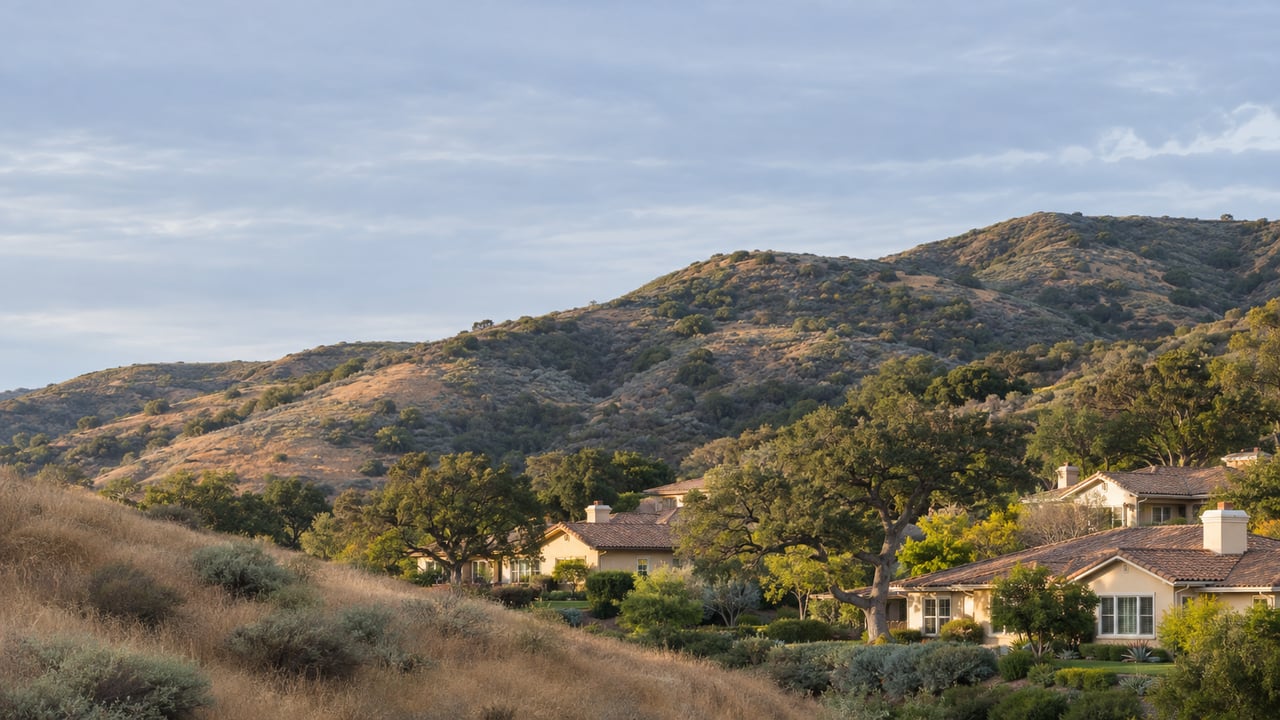
“Ranch” in the Santa Clarita Valley covers everything from half‑acre hobby properties to 10‑plus acre equestrian estates. The main ranch corridors each have a different feel and mix of services.
- Sand Canyon and Canyon Country: In‑valley equestrian neighborhoods with established barns, arenas, and trail access. Parcels here often pair usable acreage with proximity to city amenities.
- Agua Dulce and San Francisquito Canyon: More rural, frequently outside city limits, with many true ranch properties and wide‑open land.
- Castaic and north‑valley pockets: Rural acreage north of the city core with fewer suburban services in places, but strong value for space seekers.
If you are comparing prices to city neighborhoods, note that recent Santa Clarita area medians for typical homes have hovered in the high 700 thousands to low 800 thousands in early 2026. True ranch parcels with acreage and equestrian improvements range far higher and vary widely by acreage, terrain, water/sewer setup, and existing infrastructure. When you shortlist properties, confirm whether they are inside city limits or in unincorporated county, since services and rules can differ.
Lot types and services to verify
Before you fall in love with a view, ask a few grounding questions:
- Is the parcel on municipal water or a private well? Many in‑valley ranches are served by the regional supplier, the Santa Clarita Valley Water Agency. Learn about the agency’s service footprint on the SCV Water site at the “Who We Are” page for context on districts and reliability. You can review that background on the Santa Clarita Valley Water Agency overview.
- Is the home connected to the Santa Clarita Valley Sanitation District sewer system, or on a private septic? Some rural parcels use septic, which requires periodic pumping and maintenance. Read about the local wastewater providers and plants on the LA County Sanitation Districts service page.
- Are there HOA rules or CC&Rs that affect animals, outbuildings, or fencing? Always request and review the documents upfront if applicable.
Commute reality check
Santa Clarita residents report a mean travel time to work of about 34 minutes, according to U.S. Census QuickFacts. Your actual door‑to‑door time will depend on your location, routes, and schedule.
- Driving: Interstate 5 and State Route 14 are the primary arteries. Both see peak‑hour congestion, especially near the Newhall Pass interchange. Caltrans and Metro continue corridor improvements along I‑5, which can affect traffic and reliability; you can see examples of ongoing work through Metro’s I‑5 updates. In practice, many LA commutes range from roughly 35 minutes in light traffic to over an hour at rush.
- Metrolink: The Antelope Valley Line connects multiple SCV stations with Union Station. Trains commonly take about 45 to 60 minutes, depending on your station and schedule. Check current times on the official Antelope Valley Line timetable.
Pro tip: Time‑test your top properties by running a morning and evening drive on two or three weekdays. Add parking and transfer time if you plan to use Metrolink.
Budget the ranch lifestyle
Acreage delivers freedom, but it also adds line items you may not have in the city. Build a first‑year budget that captures one‑time improvements and ongoing costs.
Property taxes and assessments
- Base property tax: California’s Proposition 13 sets a 1 percent base rate. With local bonds and special districts, many Los Angeles County parcels land in an effective range around 1.1 to 1.5 percent of assessed value. See an overview of LA County property tax structure at LegalClarity.
- Mello‑Roos and special districts: Some communities carry additional assessments. Confirm the tax rate area, any community facilities districts, and all line items with your escrow officer and the county before you remove contingencies.
- Supplemental tax: Expect a supplemental property tax bill after closing when your assessed value is reset. Budget for it so it does not catch you off guard.
Site work, fencing, and utilities
- Fencing: Post‑and‑rail or split‑rail fence can range widely. Installed costs often fall somewhere around 8 to 35 dollars per linear foot depending on material and terrain. For context on ranges and factors, see HomeGuide’s split‑rail fence cost estimates.
- Septic: If the parcel uses septic, plan for periodic pump‑outs that can run a few hundred dollars, plus inspection and occasional repairs. Municipal sewer reduces those tasks but verify connection fees if a future hookup is planned.
- Water: If not served by SCV Water, a private well means routine testing, pump maintenance, and energy costs. Confirm well depth, recent production, and equipment age during inspections.
Equestrian and land care
- Horse ownership: A realistic range is about 4,000 to 12,000 dollars per horse per year for feed, farrier, veterinary care, and routine maintenance, with higher costs for performance animals or special needs. For a helpful breakdown of cost drivers, review horse keeping annual costs.
- Brush and pasture management: Expect recurring expenses for mowing, weed abatement, erosion control, and manure management. Costs scale with acreage and terrain, so obtain contractor quotes specific to your site.
- Wildfire mitigation: Defensible space is a must in high‑fuel‑load areas. CAL FIRE guidance outlines a 0 to 5 foot ember‑resistant zone and additional zones to 100 feet around structures. Plan annual brush clearance, hardening upgrades, and related inspections. Learn more from CAL FIRE’s defensible space overview.
Sample first‑year planning snapshot
- One‑time improvements: fencing 5,000 to 30,000 dollars, stable or arena upgrades 5,000 to 100,000 dollars plus, well or septic work 2,000 to 30,000 dollars plus depending on scope.
- Annual operations: property tax about 1.1 to 1.5 percent of assessed value, septic pump‑out a few hundred dollars every few years, brush and pasture management 500 to 5,000 dollars depending on acreage and contractors, horse care 4,000 to 12,000 dollars plus per animal.
Build a cushion if you plan to buy before you sell your city home so you can comfortably cover mortgage, taxes, insurance, and ranch upkeep during any overlap.
Plan your timing: sell first or buy first
Inventory for quality ranch parcels can be thin, which makes timing matter.
- Sell first, then buy: This lowers financial risk since you know your sale proceeds, but you may miss a great ranch if one appears before you are ready. Consider temporary housing or a rent‑back from your buyer to bridge the gap.
- Buy first, then sell: You can move quickly on the right property, which is helpful in a competitive niche. This approach can raise carrying costs and complexity. Options include a bridge loan, HELOC, or short‑term purchase loan. Contingent offers do exist, but they are less competitive in hot submarkets, so be ready with strong terms.
Whichever path you choose, align lender pre‑approval, sale prep, inspection windows, and escrow sequencing early. A written timeline helps keep everyone coordinated.
Zoning, animals, and due diligence
Animal‑keeping rules, outbuilding limits, and setbacks differ by jurisdiction and by HOA. Inside city limits, municipal code sections address open‑space and limited agricultural uses. Review the relevant code and then layer in parcel‑specific factors like topography and access. Start with the City of Santa Clarita municipal code section for a foundation, and confirm details with the city or county as needed.
- Verify service providers: Confirm your water supplier through SCV Water and wastewater service through the LA County Sanitation Districts.
- Check HOA/CC&Rs: Some associations limit livestock, fencing types, or the size and placement of barns and arenas. Your offer should include time to review these documents.
- Schools: Attendance boundaries depend on address. Verify assignments directly with the district for any property you consider.
Trails, arenas, and the equestrian community
The valley’s trail network and local arenas support active riding lifestyles, especially around Sand Canyon and the rural canyon edges. Explore regional options and planning through statewide trail resources like Traillink’s California trail pages, then ground‑truth routes with local riders and maps for your specific micro‑area.
A practical 7‑step move plan
- Define must‑haves and nice‑to‑haves. Lot size, water/sewer preference, barn or arena, ADU potential, commute targets, and budget range.
- Pre‑approve with a lender and review buy‑first versus sell‑first scenarios, including bridge or HELOC options and a conservative carry budget.
- Early due diligence. Request zoning references, HOA documents, prior use history, and a preliminary title report when possible.
- Fieldwork days. Tour target corridors, walk lots, and time‑test commutes on weekdays. Check Metrolink schedules for your preferred station.
- Offer strategy. Discuss contingencies, escalation terms, and potential rent‑back or leaseback options based on seller needs.
- Inspections. Order general home, septic, well (if applicable), roof, and specialized barn/arena or slope assessments. Confirm tax rate area, any Mello‑Roos, and note the expected supplemental tax bill after closing.
- Close and prepare. Line up brush clearance and defensible space work using CAL FIRE guidance. Map fence repairs or additions, schedule septic service if needed, and set up utilities with SCV Water or the appropriate provider.
Quick checklist for buyers
- Verify water and sewer: SCV Water and LA County Sanitation Districts, or note well and septic details.
- Fire readiness: Use CAL FIRE defensible space to plan clearance and hardening work.
- Commute test: Drive your route at peak times, and check Metrolink’s AV Line.
- Upkeep budget: Get quotes for fencing and brush work, and if applicable, include horse care. See split‑rail fencing cost factors and annual horse costs.
- Zoning/HOA review: Start with the City code reference, then verify parcel specifics and any CC&Rs.
- Timing plan: Decide on sell‑first or buy‑first, confirm financing tools, and outline escrow overlap scenarios.
Ready to trade freeway noise for golden‑hour skies and room to roam? You deserve a move plan that fits your budget, commute, and lifestyle. For principal‑led guidance and access to the best ranch corridors in Sand Canyon, Agua Dulce, and beyond, connect with Elizabeth Fenley-Dixon to map your next step.
FAQs
How do Santa Clarita ranch prices compare to typical city homes?
- Typical Santa Clarita home values have trended in the high 700 thousands to low 800 thousands in early 2026, while true ranch parcels vary widely and often price higher based on acreage, terrain, and improvements.
What is a realistic commute from a Santa Clarita ranch to Los Angeles?
- The Census lists an average of about 34 minutes for Santa Clarita residents, but drives on I‑5 or SR‑14 can range from roughly 35 minutes to over an hour depending on time and destination, and Metrolink rides to Union Station often run 45 to 60 minutes.
What inspections are most important on a ranch property in SCV?
- In addition to a general home inspection, plan for septic and well evaluations if applicable, roof and structural checks, slope or drainage reviews, and assessments of barns, arenas, or fencing.
Are horses allowed on all Santa Clarita ranches?
- Animal‑keeping rules depend on zoning and any HOA or CC&Rs, so verify municipal or county allowances for your parcel and review association rules before you commit.
How do water and sewer usually work on rural SCV parcels?
- Many in‑valley ranches are served by SCV Water and the local sanitation district, while rural properties may rely on private wells and septic systems that require regular maintenance and periodic service.