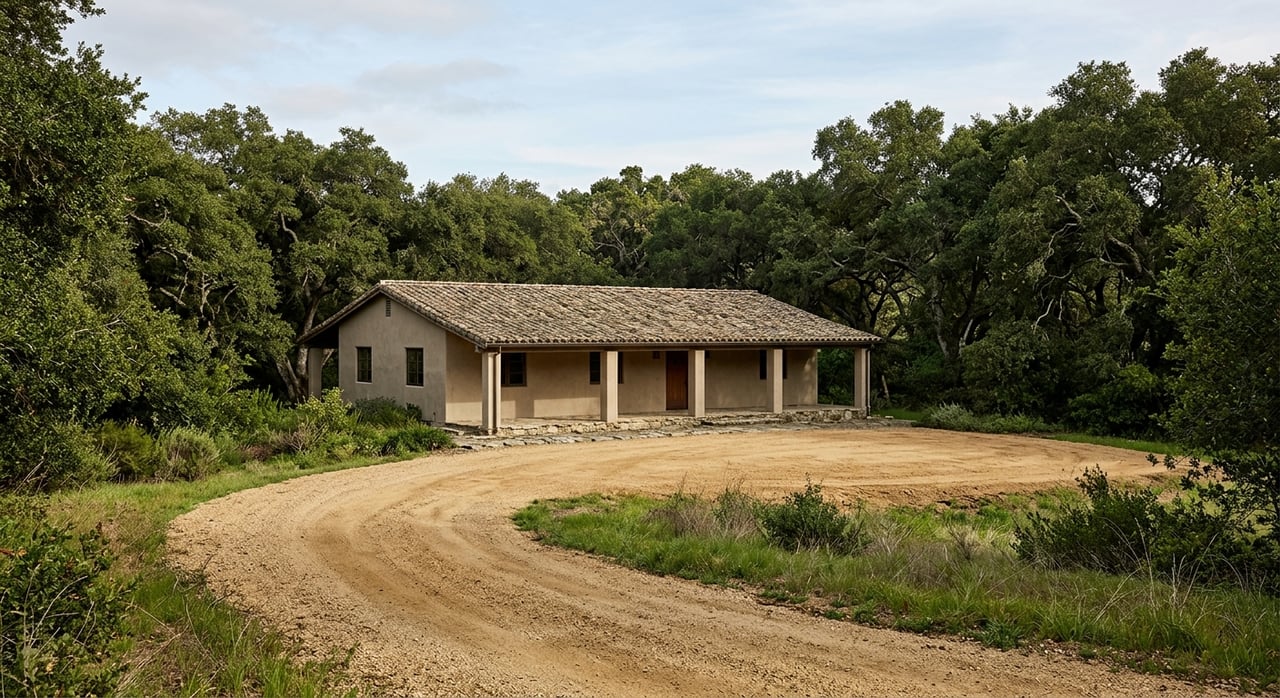
If you are selling a multi-acre parcel in Santa Clarita, acreage alone will not drive the best result. Land buyers usually look past the size first and ask a more practical question: what can this property actually do? That is why the strongest land sales start with clear answers about zoning, access, utilities, hazards, and timing. In this guide, you will learn what matters most when selling land in Santa Clarita, how buyers evaluate multi-acre parcels, and what you can do before listing to reduce uncertainty and improve marketability. Let’s dive in.
Why Santa Clarita land sales are different
Selling land in Santa Clarita is not the same as selling a finished home. A buyer is often evaluating future use, permit path, and development constraints, not just location and views.
The first issue is jurisdiction. Within Santa Clarita city limits, the City Planning Division handles zoning, land use, entitlements, and architectural review. If your property is in an unincorporated area, Los Angeles County Planning may control permits, zoning, and subdivision review instead.
That distinction matters because the rules, timelines, and approval paths can vary. Before you market a parcel, you want to confirm which agency has authority over the property and what that means for a future buyer.
What buyers are really buying
Most land buyers in Santa Clarita are not underwriting raw acreage alone. They are underwriting the parcel’s potential under current zoning, access conditions, utility availability, and map status.
For larger parcels, likely buyer groups may include adjacent owners, custom-home or rural estate buyers, small builders, and longer-horizon investors. As the City’s planning framework and Los Angeles County subdivision rules make clear, different buyer types are drawn to different levels of complexity. A parcel with straightforward access and nearby utility service may appeal to an owner-user or small builder, while a parcel that needs entitlement work often attracts investors or developers with more patience.
This is why your marketing strategy should match the likely buyer. A custom-home buyer wants clarity and confidence. A developer or investor wants records, feasibility cues, and a realistic understanding of the timeline.
Start with jurisdiction and zoning
One of the first things a buyer will review is zoning and land-use status. Santa Clarita’s planning resources include zoning maps, land-use matrices, and design guidelines, which help show what uses may be permitted and what review path may be required.
The City uses codes such as P, T, AP, M, C, and X to identify whether a use is permitted, temporary, administrative, minor, conditional, or prohibited. For sellers, that means a simple statement like “great development opportunity” is not enough. Buyers will want to see how the applicable zoning aligns with their intended use.
If the parcel is in an unincorporated area, County land-use classifications may also shape buyer interest. Los Angeles County land-use maps for the Santa Clarita Valley include rural and open-space classes such as RL1, RL2, RL5, RL10, RL20, RL40, OS-C, and OS-NF, which can influence how a parcel is viewed by estate buyers, ranch buyers, or development-minded purchasers.
Use maps to answer early questions
Before listing, it helps to review the City’s GIS map gallery. The available layers include zoning, fire hazard, flood, general plan, and seismic hazard maps.
These are often the first layers buyers and their consultants check. They can help you identify issues early, frame the property accurately, and avoid surprises during escrow.
That said, presentation should not rely only on marketing graphics or broad parcel outlines. The City notes that GIS maps are informational and not legal documents, and assessor parcel maps are not surveys. For serious land listings, survey-quality materials and accurate parcel context matter.
Gather the right documents before listing
A strong pre-listing file can make your parcel easier to understand and easier to trust. It also helps you answer buyer questions faster, which can reduce friction once the property hits the market.
Key records to assemble may include:
- Recorded grant deed
- Current APN or APNs
- Legal description
- Recent title report
- Current assessor map
- Any recorded certificates of compliance
- Filed parcel maps or tract maps
- Existing easement information
- Site map or survey materials, if available
Santa Clarita’s lot line adjustment checklist shows how detailed these files can become. It specifically calls for a preliminary title report no more than 90 days old, the latest recorded grant deed, current assessor maps, and a site map. It also requires the legal description and sketch to be sealed by a California-licensed surveyor.
If your parcel has been reconfigured before, or may need a boundary cleanup, documentation becomes even more important. Easements, access, drainage, sewage disposal, water systems, wells, and septic systems may all need to be shown depending on the review path.
Access and easements can shape value
For multi-acre parcels, legal and practical access can have a major effect on buyer confidence. If access is unclear, recorded incorrectly, or dependent on informal use, buyers may discount the property or delay moving forward.
Santa Clarita’s Building & Safety guidance lists easements, topography, flood hazard zones, fire hazard zones, sewers and septic systems, oak trees, and unpermitted construction among the site conditions that should be reviewed. County subdivision materials also call for rights-of-way, street widths, future streets, fire lanes, access strips, and existing and proposed easements to be shown on tentative maps.
In plain terms, buyers want to know how the property is reached, what rights exist, and whether those rights support the intended use. The clearer that picture is, the easier it is to position the parcel with confidence.
Utility and wastewater clarity matters
A land buyer will often ask about water and wastewater very early in the process. Even when a sale is not contingent on immediate development, utility uncertainty can affect pricing and buyer pool.
For water service, SCV Water Development Services reviews development plans and assists with new water and recycled-water facilities. Its meter process may require items such as a recorded tract map, certificate of compliance, close-out documents, and easements when applicable.
If the parcel may rely on onsite wastewater systems, Los Angeles County Public Health reviews feasibility through field inspections, soil evaluations, percolation data, and historical records through its Onsite Wastewater Treatment Program. For unincorporated land, Los Angeles County Public Works also states that a sewer area study is required for all subdivisions and for projects with sewage discharge above what existing zoning allows.
For sellers, this does not mean you need to solve every issue before listing. It does mean that any verified information you can assemble about water, sewer, septic, drainage, or geotechnical conditions can help reduce buyer uncertainty.
Flood and fire maps affect buyer diligence
In Santa Clarita, hazard review is a normal part of land due diligence. Buyers commonly look at flood and fire context early because those factors can influence use, insurance, design, and permitting.
The City’s floodplain management resources explain that development in designated flood hazard areas is regulated and note that FEMA flood maps for the City and unincorporated areas have been in effect since June 2, 2021. For wildfire context, CAL FIRE’s fire hazard severity zone information explains that the maps are based on fire history, vegetation, terrain, weather, embers, and predicted flame length.
These maps measure hazard, not individualized property risk, but they are still part of how buyers assess a parcel. A prepared seller should expect questions about both.
Timing can change your selling strategy
If your parcel may need a subdivision, tract map, parcel map, or boundary adjustment before sale, timing becomes a strategic issue. Los Angeles County says tentative tract maps are required for more than four lots or units, while tentative parcel maps are used for four or fewer, and these are discretionary processes.
According to the County’s housing element materials, tentative map approval typically takes 1.5 years or more, excluding CEQA time. That is a big reason why early due diligence matters if you plan to sell within the next one to three years.
In some cases, it makes sense to sell the land as-is with clear disclosure and a strong due diligence package. In other cases, a limited amount of pre-listing work may make the property more attractive or easier to price. The right path depends on the parcel, the likely buyer, and your timeline.
When a lot line adjustment may help
Some sellers consider a lot line adjustment to improve parcel configuration before a sale. That can be useful in the right situation, but it is not a shortcut for creating more lots.
Los Angeles County states that a lot line adjustment applies only to two to four adjacent parcels, cannot create additional parcels, and does not become effective until conveyance deeds are recorded. Santa Clarita’s current FY 2025-26 fee schedule lists lot line adjustment fees at $2,114 for two lots and $2,988 for three or more lots, plus separate review fees in some cases.
If you think boundary cleanup may improve access, usability, or buyer confidence, it is worth evaluating early. It can affect both timing and presentation.
How to position a multi-acre parcel well
The best land marketing combines accurate due diligence with strong presentation. For a Santa Clarita acreage listing, that usually means telling a clear story about what is known today while avoiding claims that go beyond the record.
A strong approach often includes:
- Clear jurisdiction and zoning context
- Accurate APN and legal description details
- Access and easement overview
- Available utility or septic information
- Relevant flood, fire, and map references
- Survey-quality visuals when available
- Professional photography and video that show terrain, views, approach, and usable areas
For lifestyle-oriented acreage, presentation still matters. Buyers respond to setting, ridgelines, privacy, approach, and the way a parcel lives on the ground. But the visual story works best when it is supported by facts that help a buyer move from interest to action.
Sell with fewer unknowns
When you are selling land in Santa Clarita, uncertainty is often the biggest obstacle. The more clearly you can confirm jurisdiction, zoning, access, easements, utility feasibility, and hazard context, the easier it becomes to attract serious buyers and negotiate from a stronger position.
That is where principal-led guidance and thoughtful marketing can make a real difference. If you want help positioning a multi-acre parcel, ranch property, or land asset for the right audience, connect with Elizabeth Fenley-Dixon for a tailored property consultation.
FAQs
What should you verify before selling land in Santa Clarita?
- You should confirm jurisdiction, zoning, APN details, legal access, easements, utility or septic information, and any flood or fire hazard context before listing.
How do buyers evaluate multi-acre parcels in Santa Clarita?
- Buyers usually evaluate not just acreage, but what the parcel can support under current zoning, access conditions, utility availability, and any required permit or map process.
Does Santa Clarita or Los Angeles County control your land sale?
- If the parcel is within Santa Clarita city limits, the City typically handles planning and land use review; if it is in an unincorporated area, Los Angeles County may be the controlling jurisdiction.
What documents help sell a multi-acre parcel in Santa Clarita?
- Helpful records often include the grant deed, legal description, APN, title report, assessor map, certificates of compliance, filed maps, and any available easement, survey, water, or septic information.
How long can subdivision timing affect a Santa Clarita land sale?
- If a parcel may need a tentative tract map or tentative parcel map, the process can take significant time, and County materials note that tentative map approval typically takes 1.5 years or more, excluding CEQA time.
Why do flood and fire maps matter when selling Santa Clarita land?
- Buyers often review flood and fire hazard information early because those factors can affect future use, design, permitting, and overall due diligence.