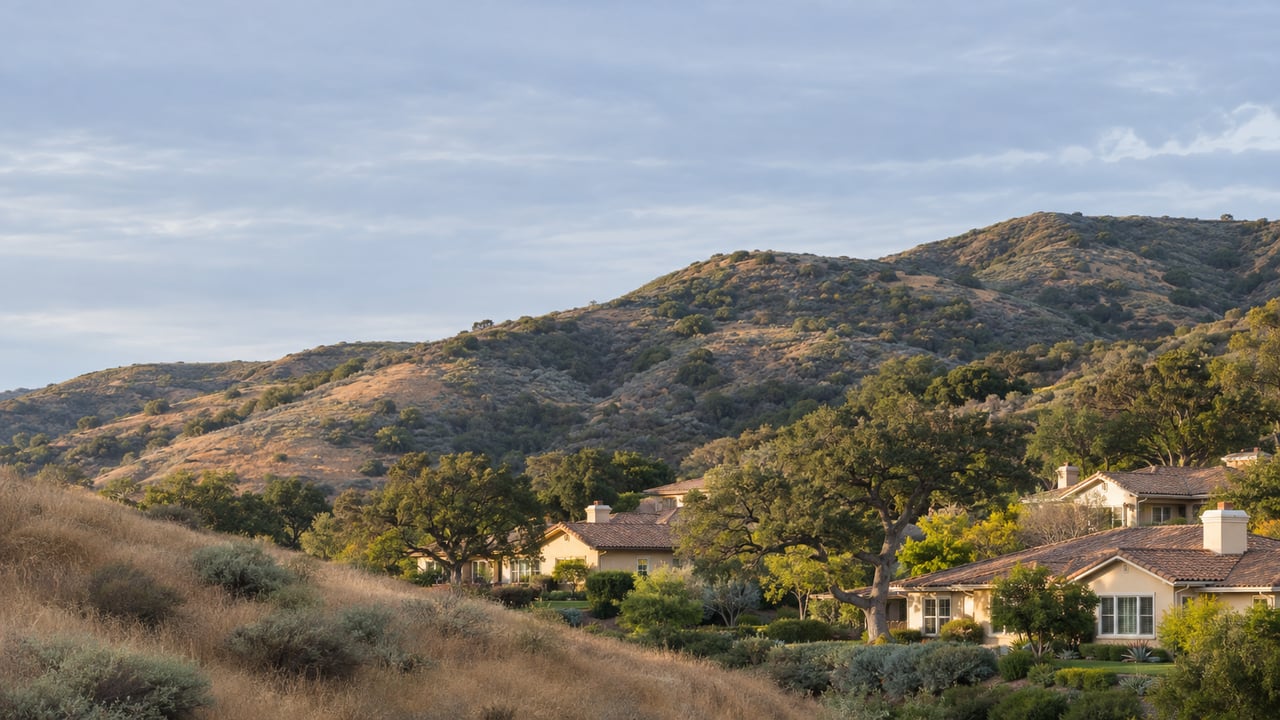
Buying a ranch or acreage home in Santa Clarita can feel exciting right up until you realize it is not quite the same as buying a standard tract home. A larger parcel often brings more moving parts, from zoning and title review to wells, septic systems, wildfire exposure, and insurance. If you want more space, privacy, or room for horses and outdoor living, knowing the timeline in advance can help you move with confidence. Here is what to expect, what may take longer, and how to stay ahead of the process. Let’s dive in.
Why the timeline is different
A ranch or acreage purchase in the Santa Clarita area usually follows the same broad path as any home purchase: financing, home search, offer, escrow, inspections, and closing. The difference is that land-specific questions often need answers before you can comfortably remove contingencies.
In and around Santa Clarita, one of the first checkpoints is jurisdiction. Some properties are inside the City of Santa Clarita, while others are in unincorporated Los Angeles County communities such as Agua Dulce, Castaic, Val Verde, Stevenson Ranch, and areas tied to Newhall Ranch. A mailing address alone does not confirm who governs the property, so buyers should verify whether the parcel falls under City or County oversight.
That matters because zoning, planning review, public works, fire review, and public health requirements can shape your timeline. Los Angeles County notes that approvals and zoning review do not automatically mean a lot is buildable, which is why early verification is so important on larger parcels.
Step 1: Get your budget ready
Before you start touring properties, get clear on what you can comfortably afford. The California Department of Real Estate says buyers should expect about 5% to 20% down, plus roughly 3% to 7% of the purchase price for closing costs.
For ranch and acreage homes, your budget should also leave room for property-specific costs. These may include special taxes or assessments, HOA dues if applicable, insurance costs, and possible work tied to utilities, land use, or deferred maintenance.
Preapproval is a smart early move, but timing matters. The CFPB says preapproval letters typically expire in 30 to 60 days, so many buyers wait until they are ready to shop seriously. Still, getting started early can help uncover lending issues before you fall in love with a property.
Step 2: Search with land in mind
Once your financing plan is in place, the home search begins. This is where buying acreage starts to look very different from buying a house on a smaller lot.
As you tour properties, verify whether each parcel is inside the City of Santa Clarita or in unincorporated Los Angeles County. Then review the zoning and any overlay rules or specific plans that may affect how the property can be used. County zoning can include agricultural, residential, commercial, and industrial categories, and each parcel has its own designation.
If you are shopping for a horse property or a home with room for animals, this is also the time to confirm allowed use. Los Angeles County says agricultural zones primarily allow some animal and agricultural businesses, and Public Health notes that certain animal-keeping operations require a public health license, including five or more horses, ponies, mules, or donkeys.
Start insurance shopping early
Do not wait until the last minute to look at insurance. The California Department of Insurance advises buyers to shop and compare coverage options and expect to spend time in the marketplace.
This is especially important for Santa Clarita acreage properties, where wildfire exposure can affect coverage availability and cost. If standard coverage is not available, the FAIR Plan is an option for California residents and businesses that cannot obtain insurance through a standard insurer.
Step 3: Make the offer and open escrow
When you find the right property, your offer should reflect both the house and the land. The California Department of Real Estate advises buyers to make sure the contract includes the contingencies and special conditions they want, such as loan qualification, repairs, pest control, home inspection, or a home warranty.
For an acreage purchase, contingencies often carry even more weight. You may need time to review zoning, title exceptions, access, water sources, wastewater systems, hazard disclosures, and insurance options before moving forward.
Once your offer is accepted, escrow opens. DRE describes escrow as a neutral third party that helps make sure contract terms are met. During this stage, the title company and lender begin their work, and your due diligence shifts into high gear.
Step 4: Review disclosures carefully
California buyers should expect a disclosure packet. According to DRE, the seller’s disclosure addresses the physical condition of the property and known hazards or defects, and the agent must conduct a visual inspection for readily observable defects.
On a ranch or acreage property, disclosures may touch more than the residence itself. Depending on the property, you may see information related to natural hazards, older improvements, utility systems, or other land-related conditions.
If the home was built before 1978, lead-based paint disclosures may apply. Federal rules require sellers of most pre-1978 housing to disclose known lead-based paint or lead hazards before the buyer signs the contract.
Natural hazard disclosures matter
California law requires natural hazard disclosure when a property is in a mapped hazard area, or when the available mapping is not detailed enough for a reasonable determination. For acreage buyers, this can be a meaningful part of the review period, especially in areas where wildfire risk is a real concern.
This is not paperwork to skim. Read it carefully and ask questions early so you understand what the disclosures may mean for safety, insurance, and future property use.
Step 5: Dig into title and access
The preliminary title report is one of the most important documents in an acreage transaction. The California Land Title Association says it can identify ownership, liens, encumbrances, easements, and CC&Rs.
On a standard suburban lot, title issues may be relatively routine. On a larger parcel, they can directly affect how you access, use, or improve the land. Easements, recorded restrictions, or other exceptions may have a bigger impact than many buyers expect.
Review the report soon after escrow opens. DRE also notes that preliminary reports are offers to issue title insurance, not a full guarantee of the condition of title, so timely review with the escrow and title company is important.
Step 6: Check water, septic, and utilities
For many ranch and acreage purchases, the most important questions are not inside the house. They are under the ground and across the land.
In unincorporated Los Angeles County areas, LA County Public Health reviews, approves, inspects, and permits private water wells through its Drinking Water Program. The County also reviews and approves septic and other onsite wastewater systems through its Onsite Wastewater Treatment Program.
That review can involve soil evaluations, percolation tests, historical records, and field inspections. If the property has a well, septic system, or other onsite utility setup, this part of the process can add time and should be addressed as early as possible.
Step 7: Factor in wildfire requirements
Wildfire review is a practical part of buying acreage in the Santa Clarita area. CAL FIRE says 100 feet of defensible space is required by law.
For buyers, that means wildfire is not just an abstract risk. It can affect disclosures, insurance options, maintenance expectations, and your comfort with the property overall.
If a parcel is in a wildfire-prone area, build extra time into your timeline for insurance shopping and hazard review. In many cases, this step happens alongside inspections and disclosure review rather than after them.
Step 8: Move toward closing
If your inspections, title review, disclosure review, and financing all come together, you move into the final closing stage. The CFPB says the lender must send the Closing Disclosure at least three business days before closing.
Use that time to compare the Closing Disclosure with your earlier Loan Estimate and review the rest of your closing documents in advance. You should also prepare for property taxes and homeowner’s insurance if those costs are not being collected through escrow.
At this point, the timeline begins to feel more familiar. The difference is that on a ranch or acreage purchase, getting here often depends on completing more layers of due diligence before you are ready to sign.
A simple Santa Clarita timeline
Here is a practical way to think about the process:
- Week 1 to 2: Budget planning, financing prep, and early strategy
- Week 2 to 6: Property search, tours, jurisdiction checks, zoning review, and early insurance shopping
- Offer to escrow opening: Contract terms, contingencies, and initial title work begin
- Escrow period: Disclosures, inspections, title review, hazard review, water and septic research, and insurance confirmation
- Final days before closing: Closing Disclosure review, final document review, and signing
Every deal is different, of course. A property with simple access, standard utilities, and straightforward title may move faster than one with a well, septic system, animal-use questions, or significant wildfire concerns.
What can slow the process down
A ranch or acreage purchase often takes longer because buyers need more answers before they can safely move forward. Common delays include:
- Unclear city versus county jurisdiction
- Zoning or land-use questions
- Easements or recorded title exceptions
- Well or septic review
- Wildfire hazard review
- Insurance availability
- Questions about horse or animal use
- Additional disclosures tied to age or location of the property
None of these issues automatically mean a property is a bad fit. They simply mean that buying land requires a more careful process.
Why local guidance helps
In Santa Clarita and nearby acreage communities, details matter. A property that looks simple from the road may involve county oversight, recorded access issues, onsite utilities, or use restrictions that only become clear during due diligence.
That is why buyers benefit from a local, property-specific approach. When you are buying a lifestyle asset like a ranch, equestrian property, or multi-acre home, the goal is not just to get to the closing table. It is to understand what you are buying and feel confident in the decision.
If you are planning to buy a ranch or acreage home in Santa Clarita, working with a hands-on local broker can help you stay organized, ask the right questions early, and keep the timeline moving. To start the conversation, connect with Elizabeth Fenley-Dixon.
FAQs
How long does it take to buy a ranch or acreage home in Santa Clarita?
- It usually follows the normal homebuying sequence, but it can take longer because buyers often need to verify zoning, title exceptions, access, water and wastewater systems, wildfire exposure, and insurance before removing contingencies.
Why does Santa Clarita jurisdiction matter when buying acreage?
- A Santa Clarita mailing address does not always mean the property is inside the City. Some properties are in unincorporated Los Angeles County, where County departments handle planning, zoning, public works, fire, and public health review.
What should buyers check about wells and septic systems in Santa Clarita area properties?
- In unincorporated Los Angeles County areas, buyers should understand that County Public Health may review permits, approvals, inspections, soil evaluations, percolation tests, historical records, and field conditions tied to private wells or onsite wastewater systems.
When should buyers shop for insurance on a Santa Clarita ranch property?
- Buyers should start early during the property search and inspection period because wildfire exposure can affect both coverage options and timing.
What title issues matter on Santa Clarita acreage purchases?
- Buyers should review the preliminary title report for easements, liens, encumbrances, CC&Rs, and other recorded restrictions that may affect access or use of the property.
What should buyers know about horse use on Santa Clarita acreage?
- Buyers should verify both zoning and any county animal-keeping rules. In Los Angeles County, certain animal-keeping operations, including five or more horses, ponies, mules, or donkeys, require a public health license.
Do older ranch homes in Santa Clarita require extra disclosures?
- If the home was built before 1978, lead-based paint disclosure rules may apply, and buyers should review those materials carefully during the transaction.
What wildfire rules affect Santa Clarita ranch and acreage buyers?
- Buyers should review natural hazard disclosures, understand that CAL FIRE requires 100 feet of defensible space by law, and allow extra time for insurance shopping when wildfire exposure is a factor.