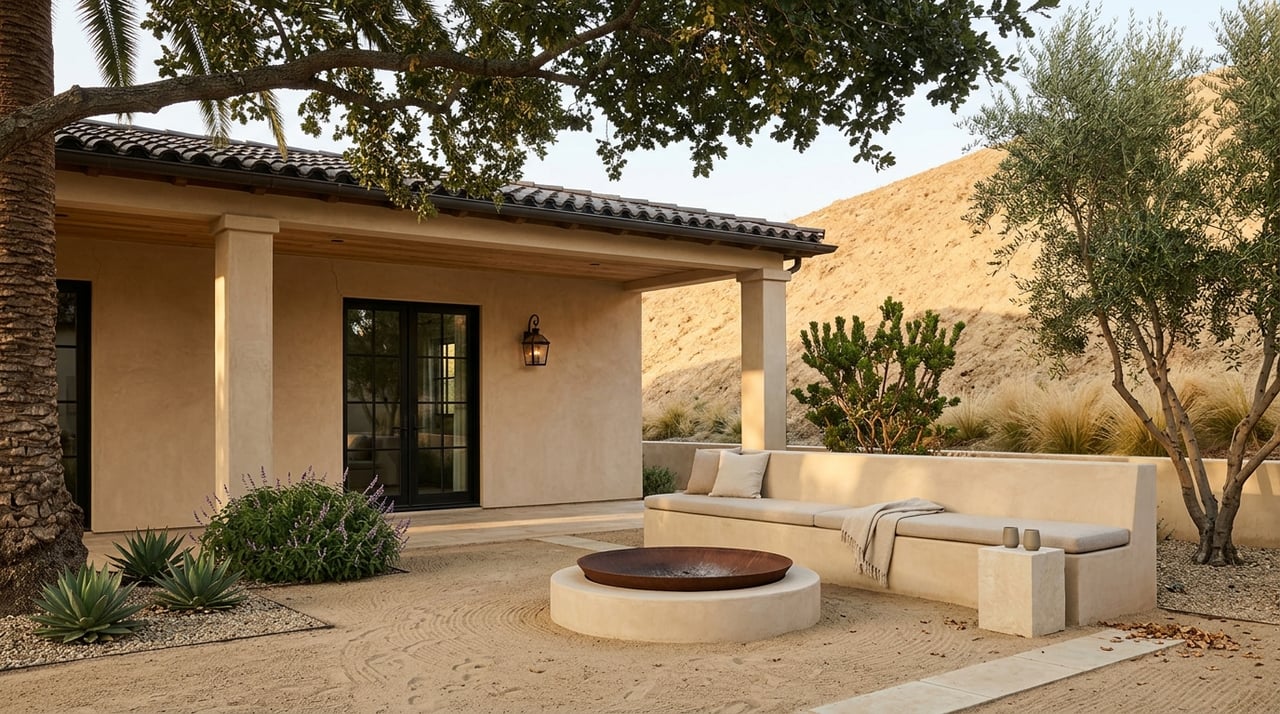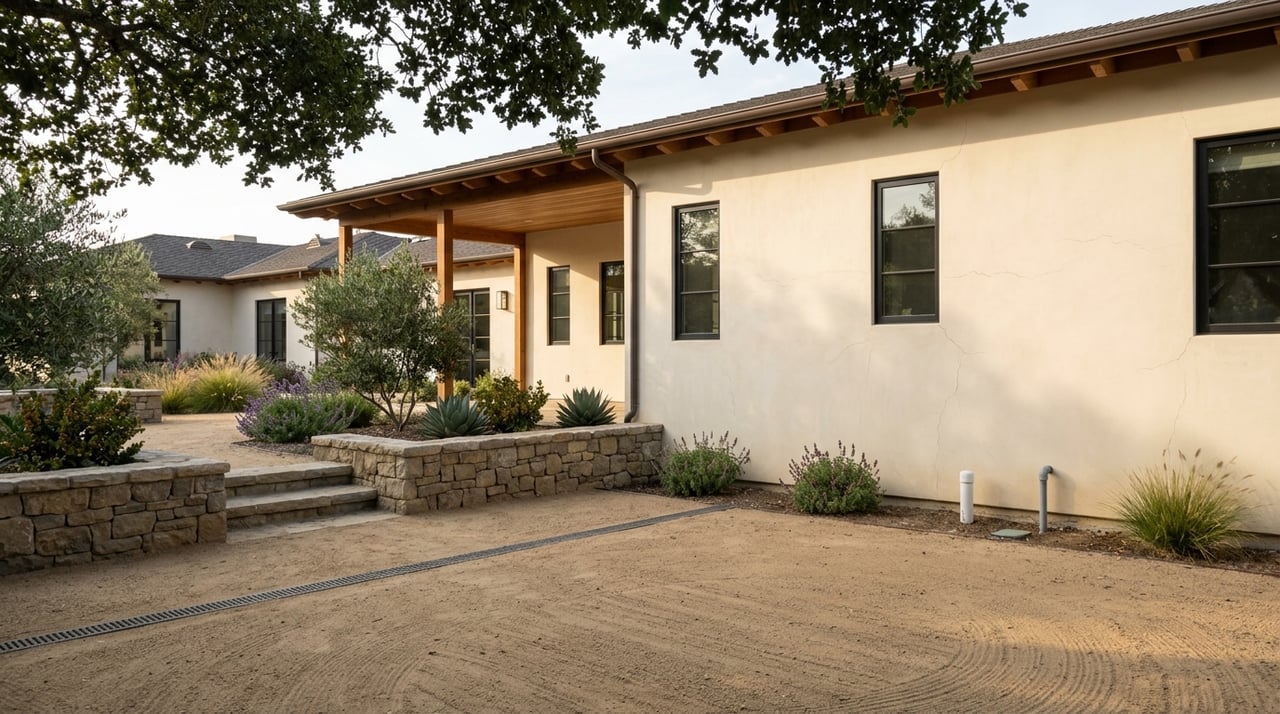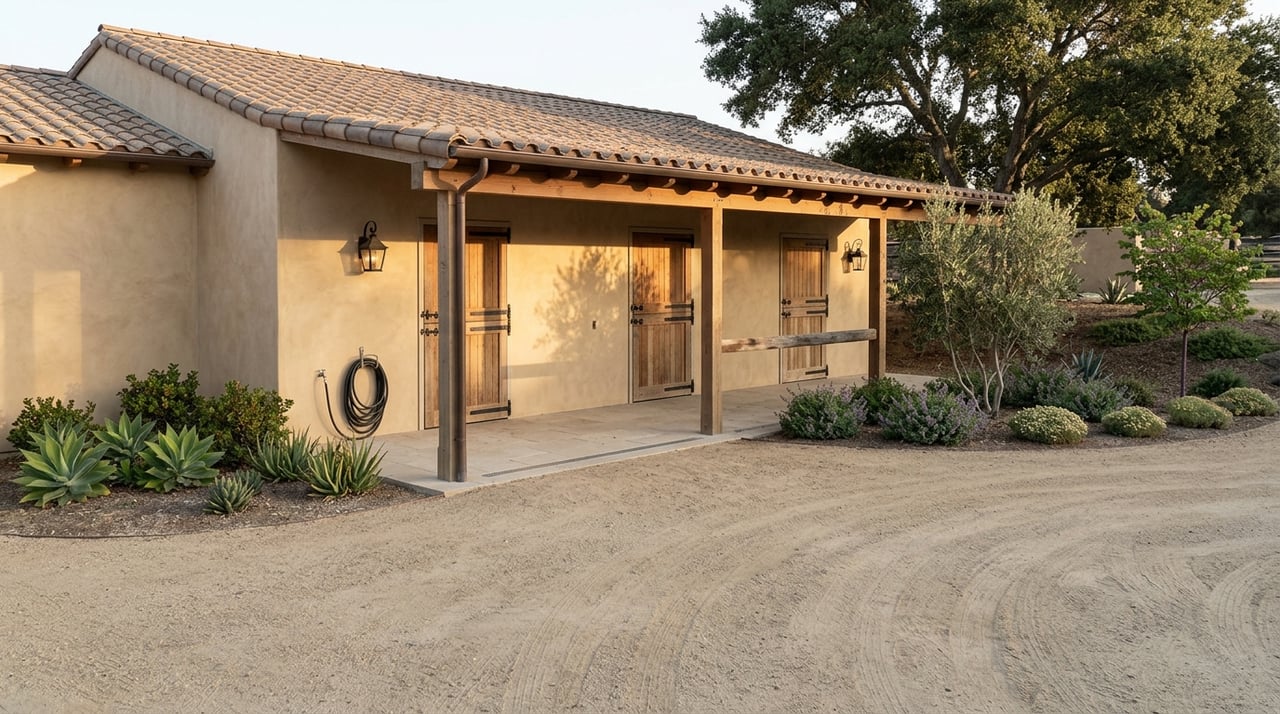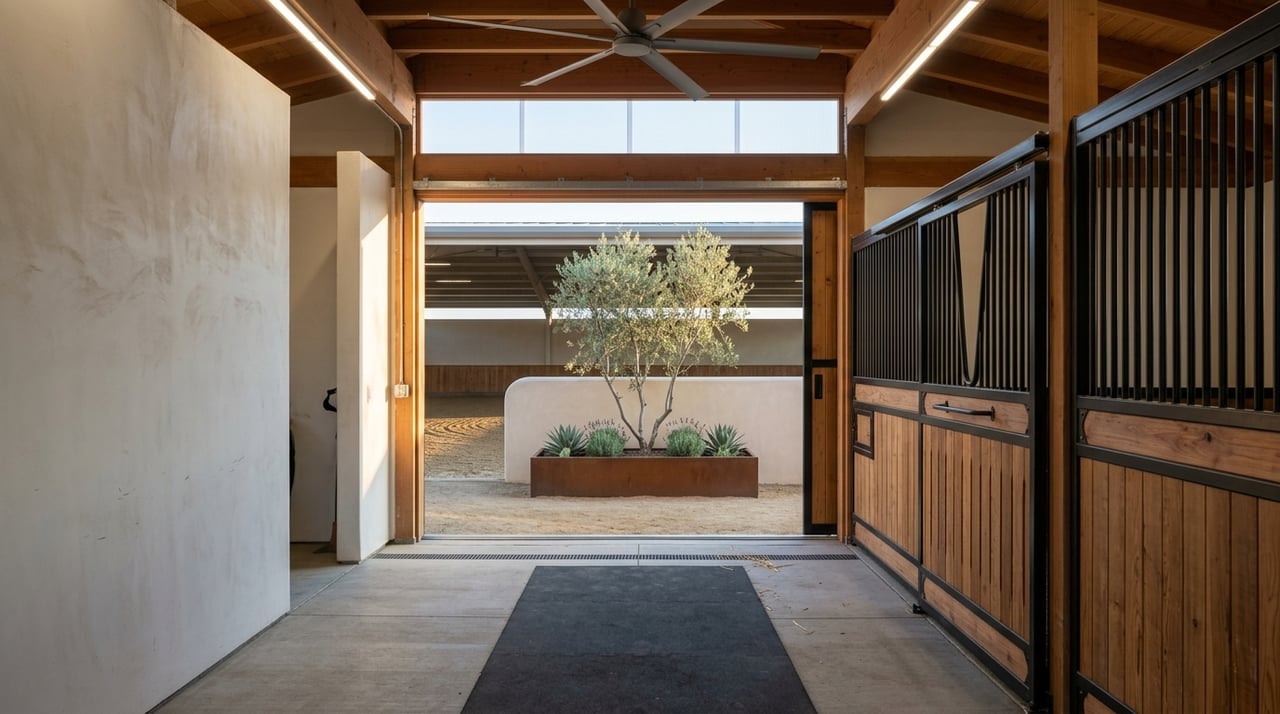
If you are shopping for an equestrian property in Santa Clarita, a pretty barn and a level arena are not enough. In this part of Los Angeles County, dry summers, winter rain, Santa Ana wind events, and wildfire exposure can turn small design choices into major quality-of-life issues. The good news is that when you know what to look for, you can spot upgrades that support safer daily use, lower maintenance, and stronger long-term value. Let’s dive in.
Why Santa Clarita upgrades matter
Santa Clarita’s climate shapes how barns and arenas should be built and maintained. The area has warm, dry summers, mild winters, and most of its rainfall arrives between November and March, which means facilities need to perform well in both dusty conditions and wet-weather runoff.
Wildfire is also part of the local equation. Los Angeles County’s Countywide Community Wildfire Protection Plan treats the Santa Clarita Valley as a fire-weather forecast zone, so buyers should think beyond looks and focus on materials, spacing, and site planning that reduce risk.
Barn materials for wildfire exposure
In Santa Clarita, the best barn upgrades usually start with fire-resistant materials and system-based hardening. Guidance for wildfire resilience is clear that no single feature is enough, and accessory structures should be hardened much like the main home.
Strong material choices include:
- Class A roof coverings
- Noncombustible eaves and soffits
- Noncombustible gutters with covers
- Screened vents
- Noncombustible exterior walls
- Double-pane tempered windows
- Noncombustible fences and gates
County fire guidance also warns that wood products are combustible. That is why buyers often place more value on materials such as brick, cement, masonry, or stucco when those options are used around equestrian improvements.
Look at the first five feet
One of the smartest details to check is the area right around the barn. Wildfire guidance recommends keeping the immediate 0 to 5 foot zone around structures noncombustible.
That means you should pay attention to what sits near the building, not just what the building is made of. Gravel, hardscape, and other noncombustible surfaces can be more practical in this zone than flammable ground cover or stored materials.
Keep combustibles farther away
A barn may look clean and well built, but nearby storage can still create concerns. LA County fire guidance recommends keeping combustible items such as woodpiles, propane tanks, and similar materials away from barns and sheds.
For buyers, this is an easy way to judge whether a property has been planned with real day-to-day use in mind. A well-upgraded equestrian setup should make safe storage feel intentional, not improvised.
Small barn upgrades that make a big difference
Not every valuable improvement is dramatic. Some of the most useful barn upgrades are the ones you notice every day, especially when you are feeding, grooming, or moving horses in early morning or evening light.
Practical features to look for include:
- Dustproof and protected light fixtures
- Conduit-protected wiring
- Enough lighting in aisles and stalls
- Clean, dry stalls that help reduce ammonia and respiratory issues
- Wide, uncluttered aisles
- Non-slip floors
- High or protected windows
These upgrades support function first. They can also make a property feel more turnkey to a buyer who wants to start using the facility right away instead of rebuilding basic infrastructure.
Separate storage improves safety
Extension guidance supports separate hay, feed, and bedding storage because it helps reduce fire hazard. If you are comparing two horse properties, this kind of layout difference may matter more than cosmetic finishes.
A barn that separates key storage areas can feel more organized, easier to manage, and better prepared for long-term use. That is the kind of improvement many buyers remember after a showing.
Arena footing should prioritize drainage
Outdoor arenas in Santa Clarita need to handle both dry conditions and winter storms. A surface that rides well in summer can still become a problem if it holds water or breaks down after seasonal rain.
A common arena structure uses three layers:
- A top riding surface
- A compacted base
- A sub-base of existing soil or added rock to promote drainage
This layered approach matters because drainage starts below the visible footing. If the lower layers are weak, the surface can become inconsistent, dusty, compacted, or slow to recover.
What kind of footing works well
Coarse, well-sorted, washed sand is commonly recommended because it promotes drainage and can reduce dust. Finer material tends to increase compaction and dust, which can create more maintenance over time.
Crushed rock or aggregate can also support drainage in the right system. Still, all footing eventually breaks down, so buyers should expect that even a well-built arena may need refreshment or replacement over time.
Grade matters more than appearance
For outdoor arenas, a 1 to 2 percent crown or another well-drained surface helps move water off the riding area. In Santa Clarita, that matters because most rainfall arrives in winter, and a surface that appears fine in dry months may not perform well after storms.
This is one reason smart buyers prioritize function over a freshly groomed look. Good drainage is often more valuable than a perfect first impression.
Site drainage and runoff are worth a closer look
Arena drainage is only part of the story. The surrounding site matters too, especially on ranch and acreage properties where water flow can affect pens, access routes, and building edges.
Los Angeles County code expects structural best-management practices to be inspected, cleaned, repaired, and maintained after storms. For a buyer, that reinforces the value of a property where runoff appears thoughtfully handled rather than left to chance.
A few signs of a better-planned equestrian site include:
- Clean drainage paths away from structures
- Arena and pen areas that are not holding water
- Access roads that appear stable after wet weather
- Equipment and storage placed with runoff in mind
Layout choices that improve daily use
The most appealing horse properties usually work well in motion. You can move a trailer easily, access water without hassle, and walk through the barn without dodging clutter or awkward pinch points.
Extension guidance recommends horse barns that are well planned, durable, attractive, and large enough for both horse and human safety. Single-story, clear-span construction is also encouraged because it supports ventilation, flexibility, and safer movement.
Features buyers tend to value
If you want a practical checklist while touring Santa Clarita properties, focus on these function-first details:
- A clear trailer route
- Easy access for water and hoses
- Visible address numbers
- Inward-opening gates
- Enough spacing around buildings for emergency access
- Separate spaces for feed, tack, grooming, or related uses
- Covered equipment storage where appropriate
Local county code also explicitly contemplates accessory equine features such as non-irrigated arenas and pens, manure management facilities, water troughs, horse trailer storage, covered equipment storage, wash racks, mounting blocks, tie racks, and fencing. That makes these features especially relevant when you are evaluating whether a setup feels complete and usable.
Permits can depend on where the property sits
One of the biggest mistakes buyers make is assuming a barn or arena upgrade is automatically compliant because it already exists. In the Santa Clarita area, permit and land-use requirements can differ depending on whether the parcel is inside the City of Santa Clarita or in unincorporated Los Angeles County.
Major barn or arena work can trigger permits for construction, electrical, gas, mechanical, plumbing, and grading. The office that issues the permit depends on the property location, so buyers should confirm jurisdiction early when reviewing a property’s improvements.
Zoning and horse-use rules may differ
Within the City of Santa Clarita, keeping horses and related animals is generally an accessory use in the Residential Low zone. In unincorporated Los Angeles County, horse keeping and boarding can require a Conditional Development Permit and must comply with livestock, equine, fuel-modification, and habitat-related rules.
That distinction matters if you are comparing a turnkey private horse property with one that may have more complex use questions. Before you rely on an arena, boarding setup, or expanded barn configuration, it is wise to verify how the property is classified and what approvals may apply.
What matters most for resale
For Santa Clarita buyers, the best upgrades are rarely the flashiest ones. Improvements that reduce friction and perceived risk usually carry the most weight, especially on equestrian and acreage properties.
The upgrades that often stand out are:
- Better circulation
- Better drainage
- Better ventilation
- More fire-resistant materials
- Less combustible or maintenance-heavy design
These are the details that make a property easier to live with, easier to maintain, and easier for the next buyer to understand. On lifestyle properties, that kind of quiet functionality can be a real advantage.
If you are weighing horse properties in Santa Clarita, it helps to view every barn and arena through two lenses: daily use and long-term resilience. When a facility supports both, you are usually looking at an upgrade strategy that makes sense for this market.
Whether you are buying a turnkey equestrian property or considering how improvements may affect future resale, local context matters. If you want experienced guidance on how buyers evaluate barns, arenas, and acreage amenities across Santa Clarita and nearby ranch communities, connect with Elizabeth Fenley-Dixon.
FAQs
What barn materials are best for Santa Clarita horse properties?
- Buyers should look for fire-resistant upgrades such as Class A roof coverings, noncombustible eaves and soffits, screened vents, noncombustible exterior walls, and double-pane tempered windows, along with a noncombustible zone around the structure.
What should buyers check in a Santa Clarita outdoor arena?
- Focus on drainage, footing layers, and surface grading, including a top riding surface, compacted base, draining sub-base, and a well-drained shape such as a 1 to 2 percent crown.
Why does arena drainage matter in Santa Clarita?
- Santa Clarita gets most of its rainfall in winter, so an arena that looks fine in dry weather still needs to shed water well and recover after storms.
Which barn layout upgrades help most with daily use?
- Wide aisles, protected lighting, non-slip floors, separate hay and feed storage, easy water access, and a clear trailer route are some of the most practical features to look for.
Do Santa Clarita barn and arena upgrades need permits?
- Major work can require permits for construction, electrical, gas, mechanical, plumbing, or grading, and the process depends on whether the property is inside the City of Santa Clarita or in unincorporated Los Angeles County.
Can horse-keeping rules differ across the Santa Clarita area?
- Yes. Horse keeping is generally an accessory use in certain City of Santa Clarita residential zoning, while some equine uses in unincorporated Los Angeles County may require additional approvals such as a Conditional Development Permit.