Dreaming of more sky, more quiet, and room to spread out? If you are weighing a move from a tract home or condo to acreage in Santa Clarita, you want the upside without surprises. In this guide, you’ll learn what daily life looks like on land, where you can find acreage in the valley, and how to plan for utilities, wildfire readiness, costs, and inspections. You’ll walk away with a clear picture and a practical checklist. Let’s dive in.
Where acreage lives
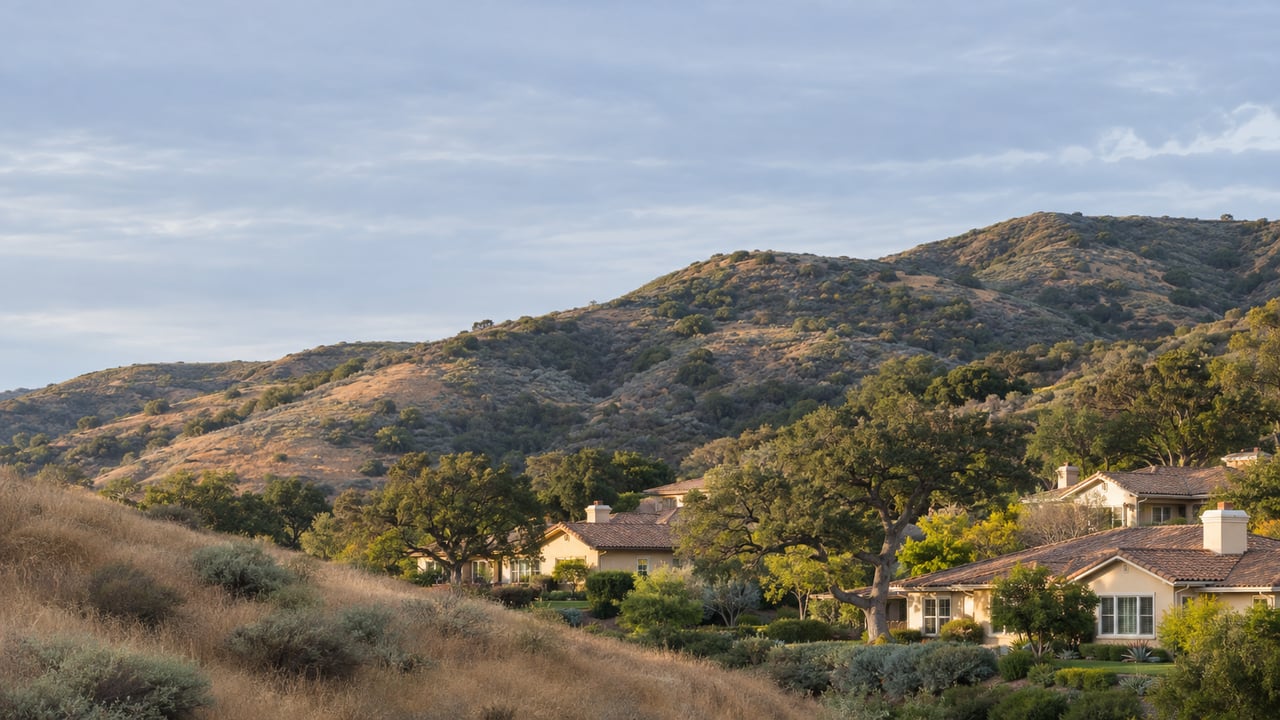
The Santa Clarita Valley includes the City of Santa Clarita and nearby unincorporated communities such as Canyon Country, Newhall, Saugus, Valencia, Castaic, Agua Dulce, and Stevenson Ranch. The landscape ranges from valley floor to foothills and chaparral with views of ridgelines and the Santa Susana and San Gabriel foothills. Acreage properties tend to sit in the hillier, more peripheral parts of the valley and in unincorporated pockets, rather than in denser, master-planned areas like central Valencia.
What “acreage” means here
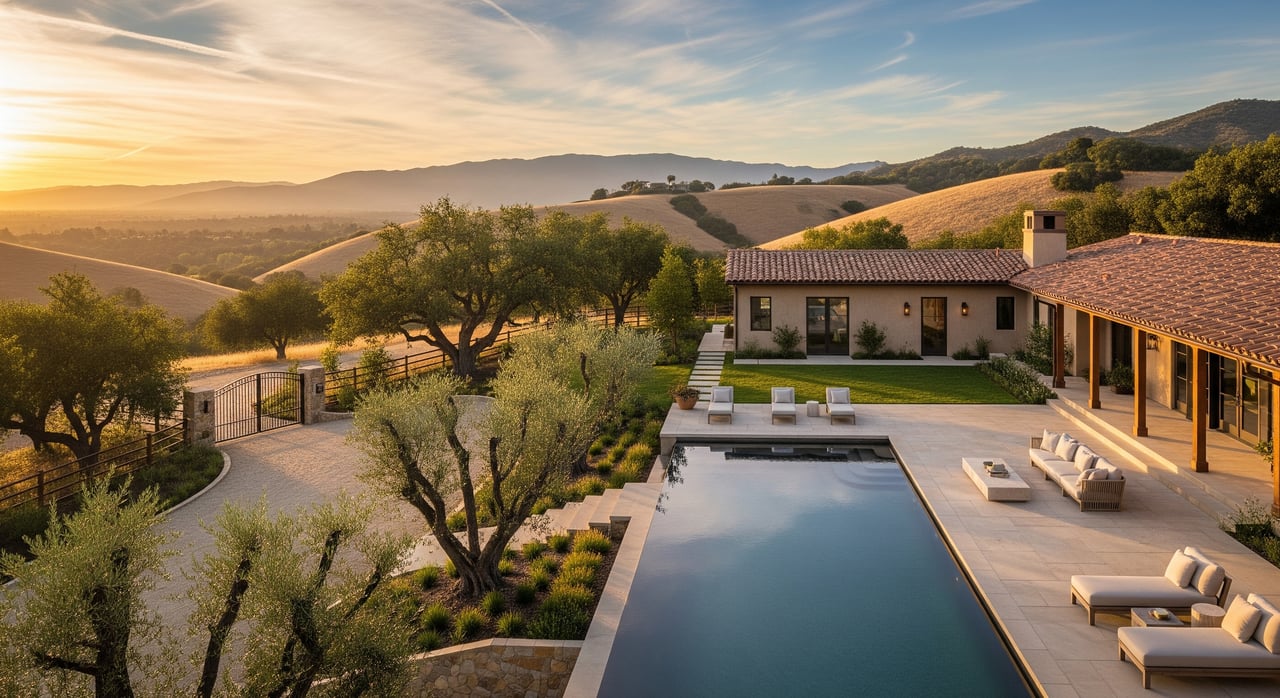
In Santa Clarita, “acreage” can mean a half-acre ranchette up to multi-acre parcels that stretch well beyond 20 acres. Some are equestrian-friendly, some have orchards or large gardens, and many are simply larger private lots with room for outbuildings. Hobby farms and working ranches are more common in unincorporated areas than in the city core. Zoning varies between the City of Santa Clarita and Los Angeles County, so always confirm permitted uses before you assume animals, barns, or lot splits are allowed.
Day-to-day lifestyle
Privacy and quiet
Larger lots usually provide more privacy and less neighborhood noise. You may hear more from nature and less from traffic. Lots near ridgelines or canyon roads can still pick up road or off-road vehicle noise, so visit at different times of day.
Views and weather
Views are a major draw. Depending on elevation and orientation, you can see valley lights, sunsets, or mountain foothills. Hillside sites can be breezier and more exposed, which adds beauty but also increases wildfire considerations.
Chores and upkeep
Plan for more hands-on care than a typical suburban yard. Expect seasonal weed abatement, fence and gate repairs, irrigation tweaks, tree trimming, and land management. If you keep animals, factor in daily care and equipment maintenance. Long private drives may need grading or pothole repair after heavy weather.
Weekends and recreation
Acreage living supports an outdoor lifestyle. Trail riding, hiking, gardening, and backyard gatherings are common. Regional options nearby include Angeles National Forest, Castaic Lake, local trail networks, and Six Flags Magic Mountain. Many residents commute to shopping and dining hubs in Valencia and Newhall for goods and services.
Practical essentials
Utilities and services
- Water. Many in-city parcels connect to municipal service through SCV Water. Some rural or unincorporated lots use private wells or shared systems. Verify the water source, well yield, and any easements before you write an offer.
- Sewage. City properties often connect to sewer. Rural parcels frequently use septic systems, so confirm capacity, age, permits, and maintenance history.
- Power and gas. Electricity is typically through Southern California Edison and natural gas through SoCalGas where available. Remote parcels may have overhead lines or need line extensions. Undergrounding can be costly.
- Internet and phone. Availability varies by micro-location. Some areas have cable or fiber, while others rely on DSL, fixed wireless, or satellite. Test speeds if remote work or streaming is important.
- Trash, mail, and emergency response. Trash and recycling are provided by contracted haulers. Mail can be to roadside boxes in rural areas. Fire protection is provided by the Los Angeles County Fire Department and law enforcement by the Los Angeles County Sheriff’s Department at the Santa Clarita Station. Response times can be longer on remote roads.
Access and commutes
Major routes include State Route 14 and Interstate 5 via the Newhall Pass, with local arterials connecting neighborhoods. Commutes to central LA or studio districts can range from 40 to 90 minutes or more, depending on time of day and destination. The Metrolink Antelope Valley Line connects the valley to downtown Los Angeles, and the typical door-to-door rail trip often takes 60 to 90 minutes. Many acreage buyers accept a longer or less predictable commute in exchange for space. Hybrid or remote work can help.
Wildfire readiness
Much of the Santa Clarita Valley is at elevated wildfire risk. You are responsible for creating and maintaining defensible space by clearing vegetation, cleaning gutters, and keeping access routes open for emergency vehicles. Vegetation management is ongoing and subject to local enforcement. Insurance availability and premiums are influenced by wildfire exposure, home materials, defensible space, and driveway access.
Insurance and financing
Homeowners insurance for wildfire-exposed areas can be more expensive and, in some cases, requires supplemental coverage or use of the FAIR Plan. Lenders will verify access, utilities, and use limitations. Some properties fit standard mortgages, while others may require specialized loan products. Work with a lender familiar with rural and acreage lending in Los Angeles County.
Costs to plan for
Recurring costs
- Weed abatement and seasonal fuel reduction
- Irrigation and higher water bills for large landscapes or pastures
- Fencing, gates, and routine pest control
- Road or gravel driveway maintenance
- Home and wildfire insurance premiums
- Property taxes and any local assessments
Occasional or one-time costs
- Well drilling or repair, septic replacement or upgrades
- Major tree work for safety or defensible space
- Utility line extensions or undergrounding
- Permits and construction for barns, arenas, ADUs, or detached garages
- Grading, erosion control, or drainage improvements
Smart due diligence
Inspections to schedule
- General home inspection that covers roof, HVAC, and structure
- Septic inspection with permit check and percolation history
- Well inspection and water quality testing, if applicable
- Geotechnical or soils report for hillsides or planned construction
- Fire risk and access review for defensible space and driveway geometry
- Survey to confirm boundaries and easements
- Pest inspection for termites and wood-destroying organisms
Documents to request
- Title report and all recorded easements or CC&Rs
- Permit history for the home, septic, well, barns, fences, and grading
- HOA or private road maintenance agreements, if any
- Water bills, well logs, or service records
- Any available insurance claims history
Questions to ask early
- Which agency provides water and sewer at this address?
- Which fire station covers the parcel and what clearance is required?
- Are there planned public works, rezoning, or code requirements that affect this lot?
- What internet providers serve the address and what speeds are available?
Tradeoffs to weigh
Acreage living delivers space, privacy, and the freedom to pursue outdoor hobbies or keep animals, subject to local rules. In exchange, you take on more maintenance, potentially longer commutes, and sometimes higher insurance costs. Internet and utility options can also be more limited in rural pockets. If you value land, views, and a hands-on lifestyle, these tradeoffs often feel worth it.
Start your search
Try drive times during rush hour and in the evening. Walk the lot to feel the slope and identify usable areas. Test cell service and internet options at the property. Talk with local fire officials about defensible space and evacuation routes, especially in canyon areas. Speak with neighbors about road maintenance and services. Bring inspectors and contractors who understand wells, septic systems, and rural access. Most of all, confirm zoning and permits early so your plans match what the property allows.
Ready to explore acreage in Santa Clarita with a specialist by your side? Connect with principal broker Elizabeth Fenley-Dixon to schedule your free property consultation. As a boutique, marketing-first brokerage focused on ranch, acreage, and lifestyle properties, we guide buyers through utilities, access, easements, and wildfire requirements with the right local experts. If you are selling, our multimedia presentation and targeted outreach help showcase your land as a lifestyle asset.
FAQs
Commute times from acreage in Santa Clarita
- Drives to central Los Angeles or studio districts often range from 40 to 90 minutes, and Metrolink’s Antelope Valley Line typically takes 60 to 90 minutes door to door.
Wells and septic on rural parcels
- Many unincorporated or rural properties use a private well and septic system. Confirm the water source, well yield, septic permits, and maintenance history before you buy.
Wildfire exposure and safety steps
- The valley is a high-risk wildfire area. Maintain defensible space, use fire-resistant materials where possible, and keep clear access for emergency vehicles.
Keeping horses or small livestock
- Often allowed with the right zoning and permits. Check animal limits, barn setbacks, and manure handling rules with the city or county before you proceed.
Insurance and taxes on acreage
- Insurance, especially wildfire coverage, is often more expensive. Property taxes depend on assessed value and local assessments, and total taxes usually increase with land size.
Yard and land maintenance workload
- Expect more work than a tract home. Weed abatement, fencing, driveway upkeep, and irrigation scale with acreage and vegetation type.