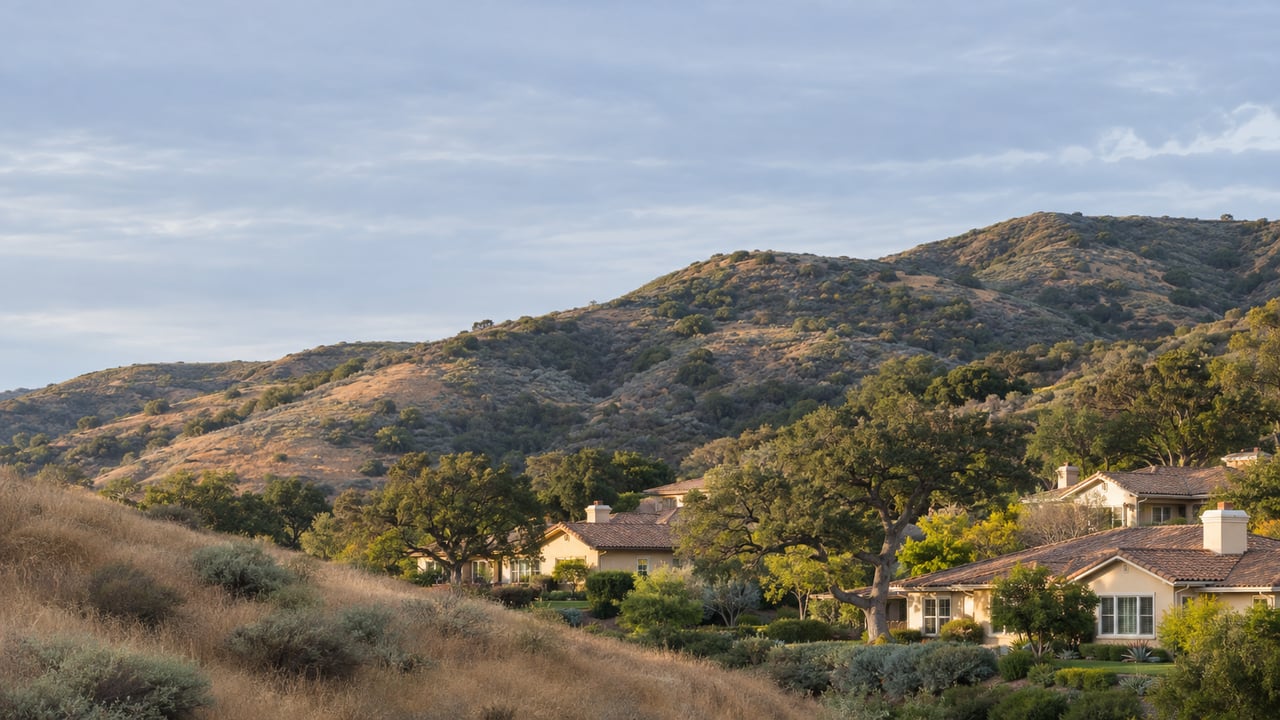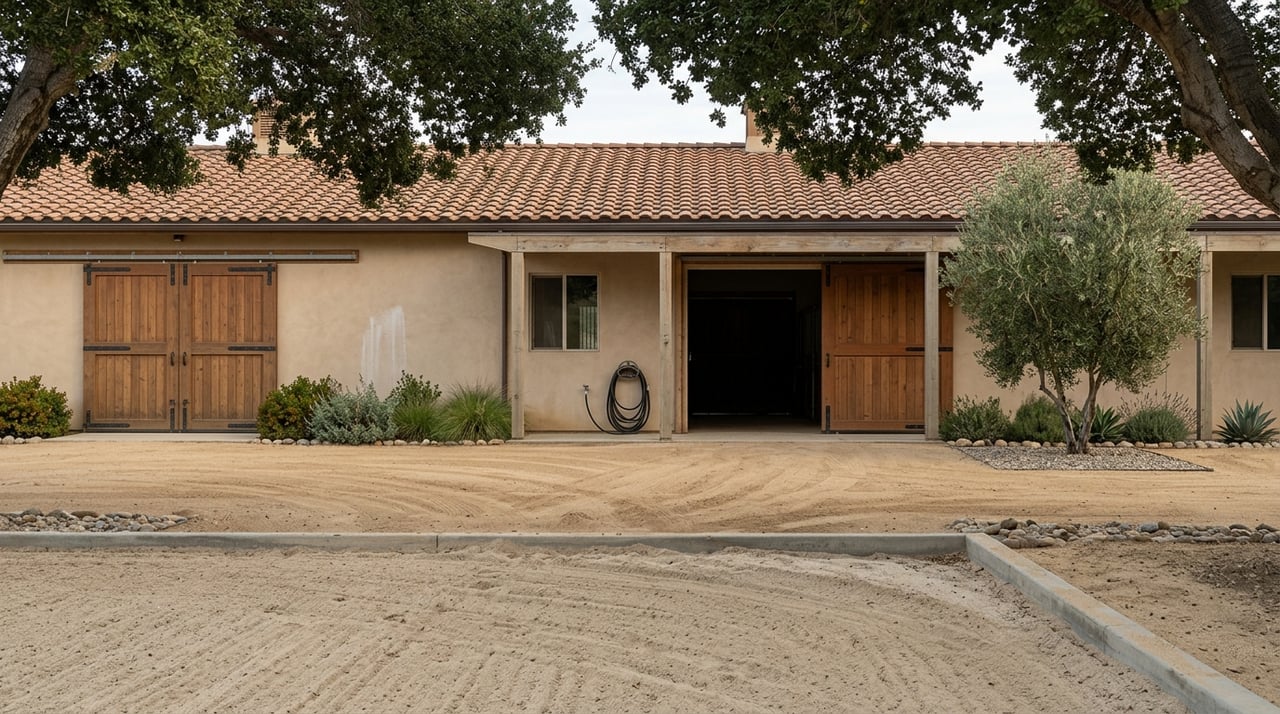
If you are thinking about selling a ranch home in Santa Clarita, it is easy to wonder where to spend your time and money first. You want the property to show well, avoid preventable surprises, and attract serious buyers who understand the value of land, access, and usable improvements. The good news is that the highest-impact prep usually is not a full remodel. In most cases, a smart plan focused on cleanup, safety, light repairs, and strong marketing will put you in a better position to list with confidence. Let’s dive in.
Start With Santa Clarita Realities
Santa Clarita’s housing market was somewhat competitive in March 2026, with a median sale price of $790,000 and an average of 46 days on market. That means desirable properties can still move, but presentation matters. Buyers have time to compare options, and ranch properties often get judged on both the home and the land.
For ranch and acreage homes, site conditions can shape buyer interest and due diligence early. Santa Clarita planning and building materials flag issues such as fire hazard zones, flood zones, slopes, oak trees, septic systems, easements, and unpermitted construction as factors that can affect a property. Before you invest in pre-list work, it helps to know which of these conditions apply to your property.
Focus on What Buyers Notice First
Before you think about upgrades, handle the basics that affect first impressions. National staging guidance consistently points sellers toward decluttering, depersonalizing, deep cleaning, making necessary repairs, and staging key spaces. That approach fits ranch homes especially well because buyers tend to notice visible maintenance and usability right away.
On a Santa Clarita ranch property, this often means fixing the simple things that signal care. Broken gates, loose boards, peeling paint, dirty windows, worn hardware, and cluttered work areas can distract from the property’s value. Small issues can make buyers wonder what else has been deferred.
Tackle the easy visual wins
Start with items that are affordable, visible, and fast to complete:
- Deep clean the house, windows, porches, and outdoor living areas
- Remove personal items and excess furniture
- Repair broken gates, latches, fencing, and obvious wood damage
- Touch up peeling paint and worn trim
- Clear clutter from barns, storage areas, and utility spaces
- Put away hoses, tools, feed bags, and temporary equipment
These steps help buyers focus on the property itself instead of your to-do list.
Do Repairs That Improve Safety and Access
You do not need to fix every issue before you list. Inspection guidance makes clear that not every problem is a deal-breaker. Some items will become negotiation points, and some are simply future maintenance items.
That is why the best pre-list repairs are usually the ones that improve safety, access, or obvious buyer objections. If a gate does not open properly, a driveway edge feels rough, or a handrail is loose, those are worth addressing. The goal is to remove easy reasons for hesitation.
Avoid major projects without a clear reason
If you are considering major repairs or alterations, be careful about timing. Santa Clarita’s Building & Safety Division states that permits are required before a building is constructed, repaired, or altered. Depending on the scope, a large project could trigger permitting, plan review, or site review tied to local conditions.
That matters on ranch properties where septic systems, easements, fire hazard areas, oak trees, slopes, or unpermitted work may already need review. In many cases, starting a big project right before listing creates delay without adding enough value. Unless the work solves a clear safety or function issue, cleanup and presentation often bring a better return.
Make Defensible Space a Priority
In Santa Clarita, defensible space is not just seasonal maintenance. It is a central part of preparing a ranch property for market. Los Angeles County’s fire hazard reduction guidance calls for hazardous vegetation to be cleared, trees and shrubs to be kept free of deadwood and litter, and cured annual grasses to be maintained at no more than 3 inches.
The county’s 2026 defensible-space notice also says combustible vegetation within 30 feet of structures should be removed, with thinning and trimming extending out to 100 feet total. In extra-hazard areas, that distance can go farther. On larger parcels, brush clearance along access roads and around hydrants also matters.
Use a groom-and-thin approach
There is an important balance here. County guidance also cautions property owners not to remove trees and shrubs before getting the right guidance, because pruning and corrective trimming are often enough. Native trees and shrubs may remain when they do not create a fire path to structures.
For many Santa Clarita ranch homes, the right approach is to groom, thin, and organize the land, not strip it bare. Buyers want to see a property that feels cared for, accessible, and safer, while still keeping its natural setting and visual appeal.
Pay attention to wildfire-vulnerable features
Older ranch homes sometimes have exterior materials or details that deserve closer attention. County materials identify features such as wood shake roofs, wood siding, decks, patio covers, and exposed eaves as especially vulnerable in wildfire conditions. If your home has these elements, focus on visible maintenance, cleanup, and professional advice rather than quick cosmetic cover-ups.
Prepare the Land Like It Is Part of the Home
With a ranch listing, the land is not background. It is part of what buyers are evaluating and part of what they are paying for. If the acreage looks hard to manage or hard to understand, buyers may discount the property even if the house itself shows well.
That is why outdoor prep should be intentional. You want buyers to see how the land functions, where they can move through it, and what uses it supports.
Ranch grooming checklist before listing
Use this checklist to make outdoor utility easier to see:
- Mow, drag, and level pastures or arenas so they look clean and usable
- Remove manure piles and obvious waste areas from sight
- Organize barns and tack rooms so storage and circulation are easy to understand
- Make trailer access, parking, gates, and fence lines clear and functional
- Clean up driveway edges, turnarounds, and entry points
- Clear visual clutter around outbuildings and work areas
These are not legal requirements. They are practical presentation steps that help buyers understand the property faster.
Spend Marketing Dollars Where They Count
If you are deciding between cosmetic upgrades and better presentation, the data points toward presentation. In NAR’s 2025 staging report, 83% of buyers’ agents said staging made it easier for buyers to visualize a property as a future home. The same report found that photos, videos, and virtual tours were highly important listing assets.
That matters even more for ranch and acreage homes. Buyers are not only deciding whether they like a kitchen or primary bedroom. They are trying to understand the full lifestyle of the property, including outdoor circulation, outbuildings, views, and usable land.
Stage the spaces with the most impact
The most important rooms to stage are the living room, primary bedroom, and kitchen. For a ranch property, outdoor and yard areas also deserve real attention because they help communicate how the property lives. If buyers cannot picture the setting, they are less likely to appreciate the full value.
In practical terms, many sellers get a better return by cleaning up the land and outbuildings first, then investing in professional photography, video, and a thoughtful showing plan. That usually does more for buyer response than expensive upgrades that do not change how the property looks online or feels in person.
Gather Documents Before You List
Visual prep is only one part of getting ready to sell. California sellers are also required to deliver a Real Estate Transfer Disclosure Statement covering the property’s condition and hazards or defects. That makes document gathering an important part of your pre-list checklist.
For ranch properties, organized records can make the sale process smoother and help buyers feel more confident. It is easier to answer questions early when you already have the paperwork in one place.
Documents worth pulling together
Before listing, gather what you can for items such as:
- Permits and records for completed work
- Prior repair or maintenance records
- Septic information, if applicable
- Utility information relevant to the property
- Notes on outbuildings or access improvements
- Records related to fire-clearance work
Santa Clarita planning materials specifically flag septic systems and unpermitted construction as conditions worth verifying before work begins. If you are unsure about past improvements, it is better to sort that out before buyers start asking questions.
Build a Smart Pre-List Plan
Before you spend money, step back and ask a simple question: what will help this ranch home look cleaner, safer, easier to use, and easier to understand? In Santa Clarita, that is often the work that produces the best result. It also tends to support smoother showings, stronger photos, and fewer avoidable concerns.
For many sellers, the winning sequence looks like this:
- Identify site issues that may affect prep or disclosure
- Deep clean, declutter, and depersonalize the home
- Groom acreage and complete defensible-space work
- Handle minor repairs tied to safety, access, and visible condition
- Organize records and property documents
- Invest in professional media and a marketing plan that tells the property’s full story
A ranch home is more than square footage. It is a lifestyle property, and buyers need help seeing both the daily function and the broader experience of the land. When you prepare the home, acreage, and presentation together, you give your sale the strongest possible foundation.
If you are preparing to sell a Santa Clarita ranch home, working with a broker who understands acreage, presentation, and buyer expectations can make the process much more efficient. Elizabeth Fenley-Dixon offers hands-on, marketing-first guidance designed to help ranch and lifestyle properties stand out.
FAQs
What should you fix before selling a Santa Clarita ranch home?
- Focus first on visible issues that affect safety, access, and buyer confidence, such as broken gates, loose boards, peeling paint, clutter, and deferred exterior maintenance.
How important is defensible space when selling a ranch property in Santa Clarita?
- Defensible space is very important because Los Angeles County guidance calls for vegetation management around structures, along access roads, and in other key areas that buyers and inspectors may notice.
Should you remodel before listing a ranch home in Santa Clarita?
- Usually, major remodels are harder to justify right before listing unless they solve a clear safety or function problem, especially if the work may require permits or additional review.
What documents should you gather before selling a Santa Clarita ranch property?
- It helps to collect permits, repair records, septic or utility information, notes on outbuildings or access improvements, and records related to fire-clearance work.
Why does professional photography matter for Santa Clarita ranch listings?
- Professional photography matters because buyers’ agents place high value on photos, videos, and virtual tours, and ranch properties need strong visuals to communicate the home, land, and lifestyle clearly.