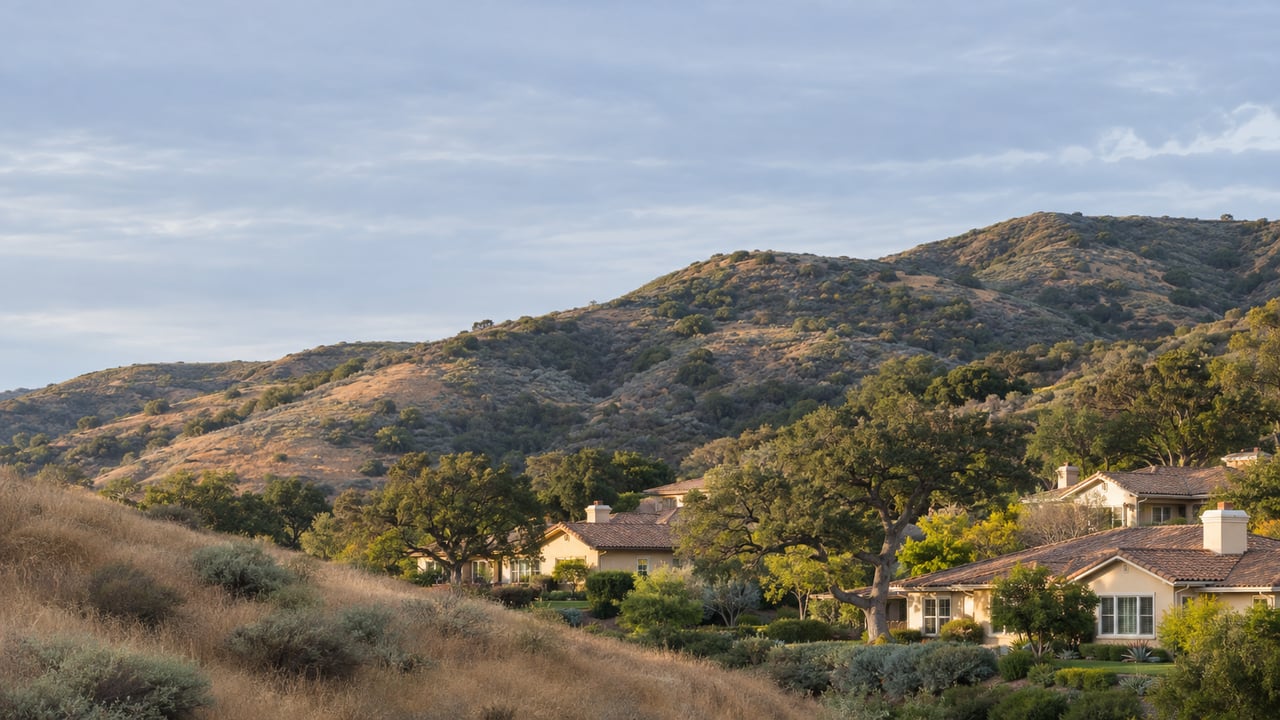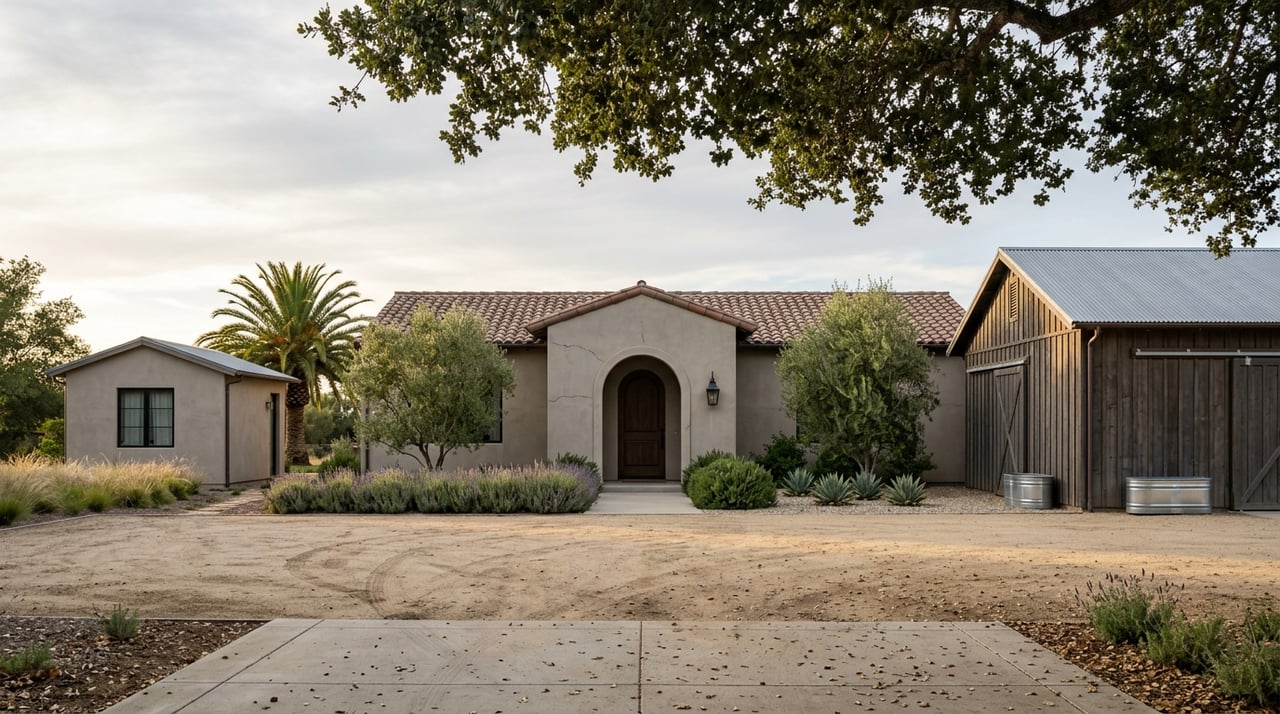
Shopping for land where you can keep horses, build a barn, or add an ADU can feel exciting and a little overwhelming. You want usable acreage without nasty surprises after you close. The good news: with a quick grasp of Santa Clarita’s zoning basics, you can spot the right parcels faster and write smarter offers. In this guide, you’ll learn how jurisdiction works, what animal limits look like by lot size, what to check for ADUs and barns, and the red flags that deserve a pause. Let’s dive in.
Start with jurisdiction
Your first step is simple: confirm whether the parcel sits inside the City of Santa Clarita or in unincorporated Los Angeles County. This single detail determines who reviews your plans and which code applies. Use the City’s interactive map to verify location and zoning before you fall in love with a property. Try the City’s parcel lookup on the Santa Clarita GIS and zoning map.
If the property is inside city limits, City Planning and Building & Safety are your main contacts. If it is in unincorporated County, you will work with the LA County Department of Regional Planning and County Building & Safety. When in doubt, call the appropriate planning counter listed on the City’s Unified Development Code page for guidance: Santa Clarita Planning resources. If you confirm it is County, check the LA County Planning zoning page.
Know your rule layers
Zoning is the baseline, but it is not the whole story. Parcels can also be subject to special-standards districts or specific plans, fire-hazard overlays, oak-tree protections, and habitat or flood overlays. Any one of these can influence where you place a barn, arena, ADU, or driveway.
A practical takeaway for buyers: treat every parcel as a stack of rules, not just a zone label. Before you assume a use is allowed, ask Planning which overlays apply and what that means for setbacks, grading, and animal-keeping.
Animal keeping limits
Inside the City of Santa Clarita, animal-keeping rules live in Chapter 17.62 and use clear, lot-size-based tables. Large animals include horses and other hoofstock. Here are examples you can use as a quick screen, then confirm with Planning for your exact square footage:
- 15,000 to 20,000 sq ft: up to 3 large animals (pigs 0)
- 20,001 to 25,000 sq ft: up to 4 large animals (pigs 0)
- 25,001 to 30,000 sq ft: up to 5 large animals
- 30,001 to 35,000 sq ft: up to 6 large animals
- 35,001 sq ft to 1 acre: up to 7 large animals
- Over 1 acre: 8 large animals per acre, and pigs 1 per acre
For small animals, the table steps by lot size. On lots over 1 acre, the code lists birds 24 per acre, dogs 4, cats 10, and other small animals 8 per acre. Roosters are only allowed on lots greater than 1 acre, at one rooster per acre. See the City’s animal-keeping tables in Chapter 17.62.
Siting matters too. Barns and corrals for large animals must meet minimum setbacks. A common example is at least 35 feet from a street or a dwelling. The code also requires proper enclosures and manure management.
If you plan several horses or a small-scale operation, remember County public-health licensing thresholds. For example, a public-health license may be required at 5 or more horses or at higher counts for certain species. Check the County’s guidance for animal keepers on the LA County Public Health site.
Note: Some areas with special standards may allow different numbers or conditions. Always confirm parcel-specific allowances with Planning before you write an offer.
ADUs on acreage
California requires cities and counties to permit ADUs under state law, but local rules and site conditions still matter. The best path is a pre-application conversation with the City or County about setbacks, access, and any overlays that affect siting. For state-level guidance, review the HCD ADU resource page, then contact the City about objective standards and process. The City’s Planning FAQ is a helpful starting point: Santa Clarita ADU information.
If the property is on septic, capacity is a make-or-break item for ADU feasibility. Environmental Health may require a septic review, upgrades, or a non-conventional system before permitting an additional unit. Start early with a capacity check through LA County Environmental Health’s onsite wastewater page.
Barns and permits
Most sizeable accessory structures will need building permits. A common threshold is that detached accessory buildings over 120 square feet require permits. New barns, multi-stall facilities, large sheds, and enclosed workshops typically go through plan check and can trigger grading permits and fire review. For unincorporated parcels, see the County’s overview of building-permit basics in the DPW Building & Safety FAQ. In the City, check with Building & Safety through the Planning contacts above.
If your acreage has slope, expect grading permits and potential geotechnical review. Hillside rules can influence where you place structures and drive up engineering costs, so ask about grading and drainage standards in a pre-application meeting.
Septic and water
On rural parcels, septic capacity and water access shape what you can build. If you plan an ADU or expanded animal facilities, verify septic records, prior permits, and any needed upgrades with Environmental Health. Start with the onsite wastewater guidance.
For water, some parcels connect to SCV Water while others rely on private wells. If public water is nearby, factor in potential costs for a meter, line extension, or onsite equipment. Confirm availability and pricing directly with the provider early in your timeline.
Wildfire and defensible space
Fire-hazard designations have expanded in parts of Los Angeles County. If your parcel sits in a High or Very High Fire Hazard Severity Zone, you may face specific building standards, defensible-space requirements, and fuel-modification plans for new structures or large additions. Start by checking zone status and understanding the requirements on the CAL FIRE FHSZ page. Then speak with the local Fire Department about site access, vegetation management, and any plan submittals tied to your project.
Oak trees and habitat
Mature oaks are a hallmark of Santa Clarita’s landscape, and they are strongly protected. An oak in the middle of an otherwise open pad can limit where you place barns, paddocks, or driveways. Removal or encroachment can require a permit and mitigation. Review the City’s oak-tree preservation rules and permit standards in UDC Chapter 17.51. Also check title and mapping for any conservation easements or riparian areas that may affect development.
Permits and timelines
Many small projects that meet objective standards are processed ministerially. Others, such as larger barns, commercial boarding, or exceptions to animal counts, may require discretionary approvals like a Minor Use Permit or a Conditional Use Permit. Discretionary paths add time for noticing and conditions, so build that into your plan. For a high-level view of how uses are categorized, see the City’s code framework references via Chapter 17 resources and contact Planning for your parcel’s path.
A common sequence looks like this:
- Pre-application meeting with Planning to identify zoning, overlays, and feasibility.
- Check septic capacity, water availability, and any fire-hazard or oak impacts.
- Submit building plans and any needed grading, fuel-modification, and oak-tree permits.
- Complete inspections and satisfy conditions for final approvals.
Ministerial ADU reviews often take weeks to a few months once plans are complete. Discretionary approvals can take several months depending on scope and environmental review. Ask Planning for current timelines and a fee estimate.
Pre-offer checklist
Use this quick list to reduce risk and sharpen your offer terms:
- Confirm jurisdiction and zoning on the City GIS map or with County Planning.
- Ask Planning for animal-keeping allowances tied to the parcel’s exact lot area and any special-district rules.
- If pursuing an ADU, request a site-specific check on fire overlays, setbacks, and objective standards.
- If the property is on septic, pull past permits and request a capacity review with Environmental Health.
- Call the water provider about meter availability and potential main-extension or connection costs.
- Verify Fire Hazard Severity Zone status and ask the Fire Department about fuel-modification and access requirements.
- Request an oak-tree inventory and ask about any protected habitat overlays.
- Order a preliminary title report to uncover easements, CC&Rs, or covenants that limit animals, barns, or accessory dwellings.
- Check public permit records for existing structures and any open violations.
- Discuss insurance with your agent and lender early if the parcel is in a high-risk area.
Ready to explore ranch and acreage options that actually fit your goals? Let’s connect early, scope feasibility, and negotiate with confidence. If you want a clear plan for animals, barns, or an ADU, reach out to Elizabeth Fenley-Dixon for a free property consultation.
FAQs
What does “City vs. County” mean for my ranch purchase in Santa Clarita?
- It decides which agency reviews your plans, which code applies, and who issues permits. Verify the parcel on the City GIS map or check with LA County Planning if the property is outside city limits.
How many horses can I keep on a 1-acre lot inside Santa Clarita?
- The City’s animal-keeping table allows 8 large animals per acre on lots over 1 acre, with pigs at 1 per acre. Always confirm counts with Planning for your exact lot area. See Chapter 17.62.
Are roosters allowed on Santa Clarita acreage?
- Roosters are only allowed on lots greater than 1 acre at a ratio of one rooster per acre under the City’s animal-keeping rules. Check parcel size and any special-district rules.
Can I add an ADU to a horse property on septic in Santa Clarita?
- Possibly. You must verify septic capacity and meet ADU standards. Start with the HCD ADU guidance and get a septic review through Environmental Health.
What permits do I need for a new barn on acreage?
- Most barns and large accessory structures require building permits, and some projects need grading, fire-plan, or fuel-modification approvals. See the County’s overview in the DPW Building & Safety FAQ and contact local Planning for parcel-specific steps.
How do wildfire zones affect my build or remodel?
- Parcels in High or Very High Fire Hazard Severity Zones may require specific construction standards, defensible space, and fuel-mod plans. Check status on the CAL FIRE FHSZ page and confirm local requirements with the Fire Department.
Will oak trees limit where I place my barn or arena?
- Often yes. Protected oaks can require permits, setbacks, and mitigation. Review the City’s rules in UDC Chapter 17.51 and ask Planning for an oak assessment before finalizing site plans.